
19 YEARS - So, what’s Next?
When I was a kid staring through a viewfinder, I thought the magic was in capturing a moment. But what I’ve learned after nineteen years is that the real magic is in noticing people — really noticing them — and giving them the space to exist exactly as they are.
This year marks nineteen years of photography for me, which feels both unbelievable and oddly grounding at the same time. I know who I am as a photographer. That takes time!
When I first picked up a camera professionally, I was shooting on a Canon Rebel Ti. I adored that camera. It felt like possibility. I didn’t know much yet, but I knew I loved the way the world slowed down when I looked through a viewfinder. I genuinely breathed easier.
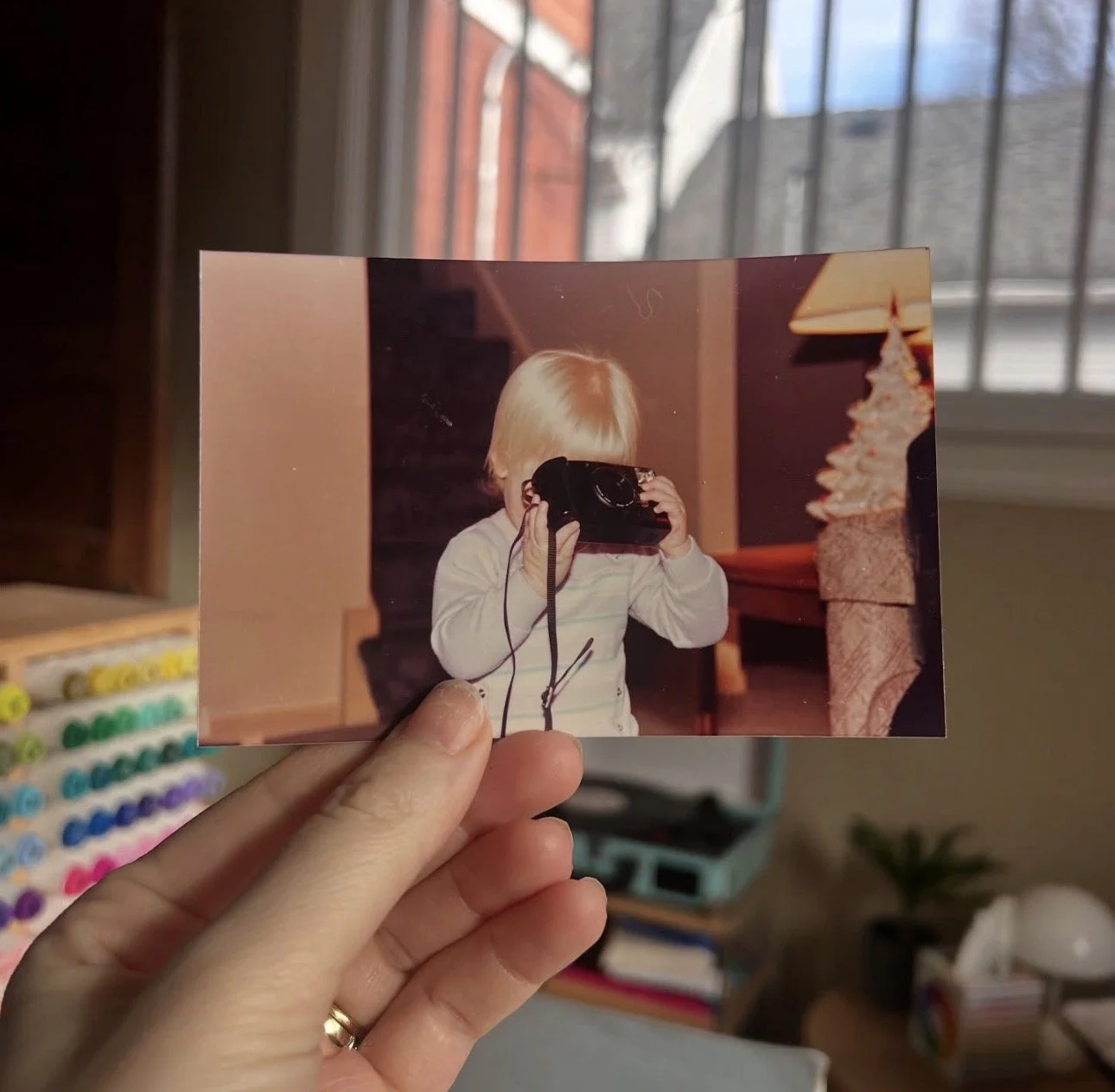
I didn’t even need to take the picture - I wasn’t allowed to. I just liked looking. Framing things. Watching how the world changed when you contained it inside a viewfinder. It made ordinary moments feel intentional somehow — like they were worth noticing.
Truthfully, that part started long before the Rebel.
I’ve always loved absorbing the world through a small 4x6 frame. Even as a kid, I would spend time just looking through a viewfinder, studying how things fit together inside that little rectangle — the light, the edges, the way a moment could be contained and held still.
Of course, this was the era of film. Which meant every roll had about 26 shots on it, and those shots actually mattered. Sparing a few frames for a creative five year old’s exploration probably wasn’t in my parents’ best financial interest. Film wasn’t cheap, and neither was developing it.
But that didn’t stop me from enjoying the world through that vantage point.
I didn’t even need to take the picture - I wasn’t allowed to. I just liked looking. Framing things. Watching how the world changed when you contained it inside a viewfinder. It made ordinary moments feel intentional somehow — like they were worth noticing.
Looking back now, I realize that instinct never really left me. It just evolved. The cameras got better (once I was allowed to press the “big-button”), the lenses got sharper, and the stakes got higher, but at its core the work still feels the same: noticing “the moment” most people feel, but don’t know how to capture it.
Ten camera bodies later, countless lenses, lighting kits, hard drives, a few grey hairs, peri-menopause (woof)… and here we are.
Somewhere along the way, the thing I set out to do actually happened.
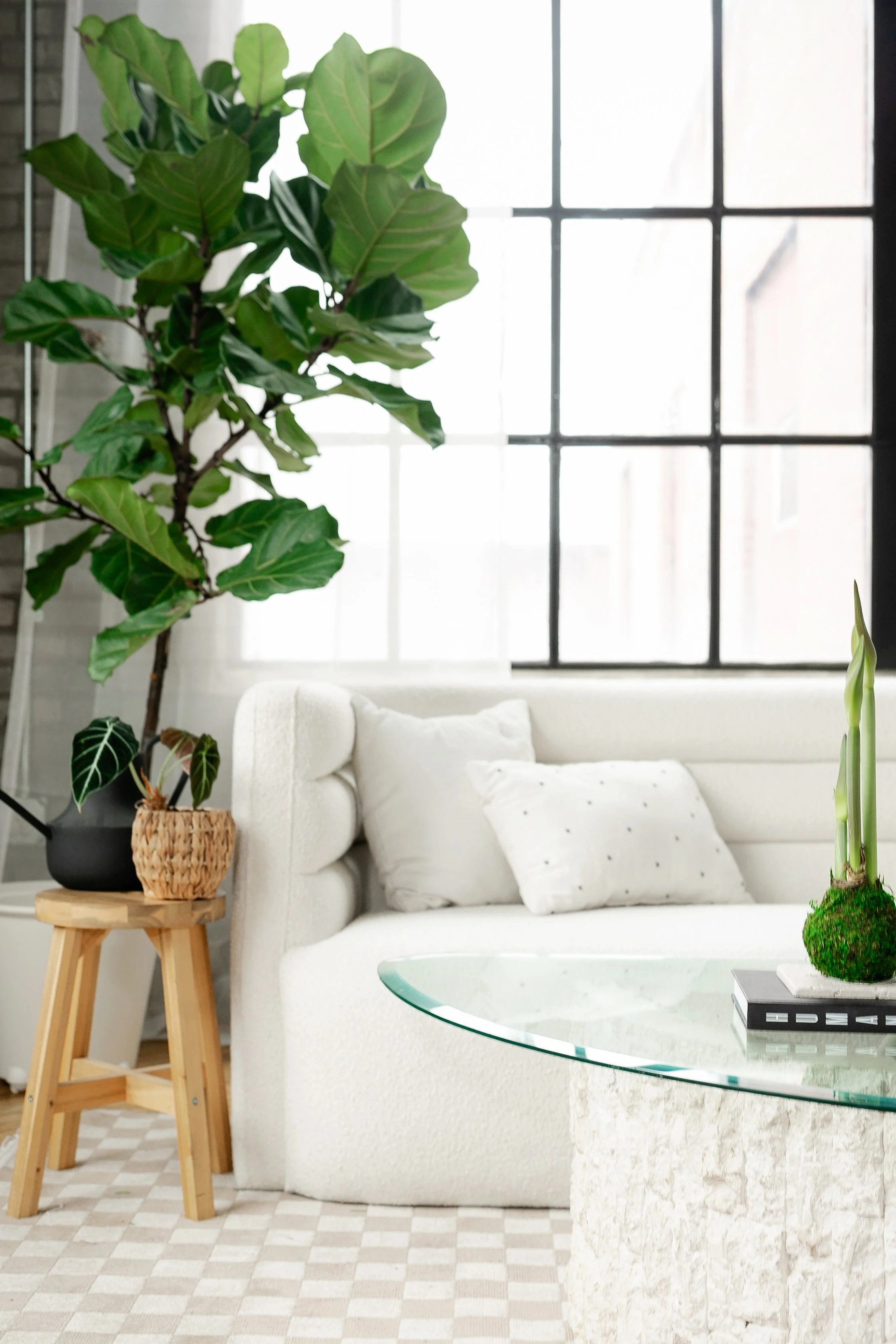
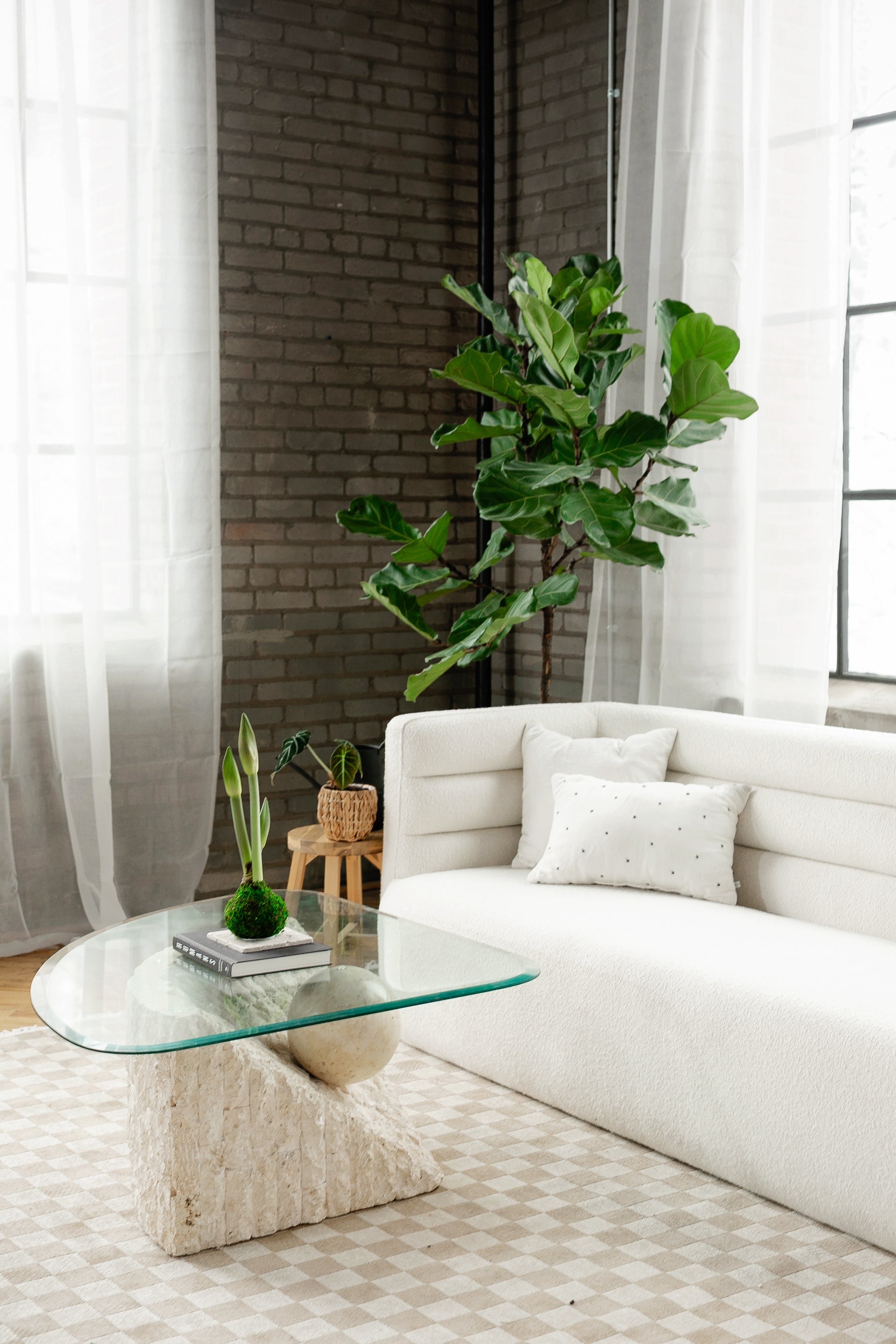
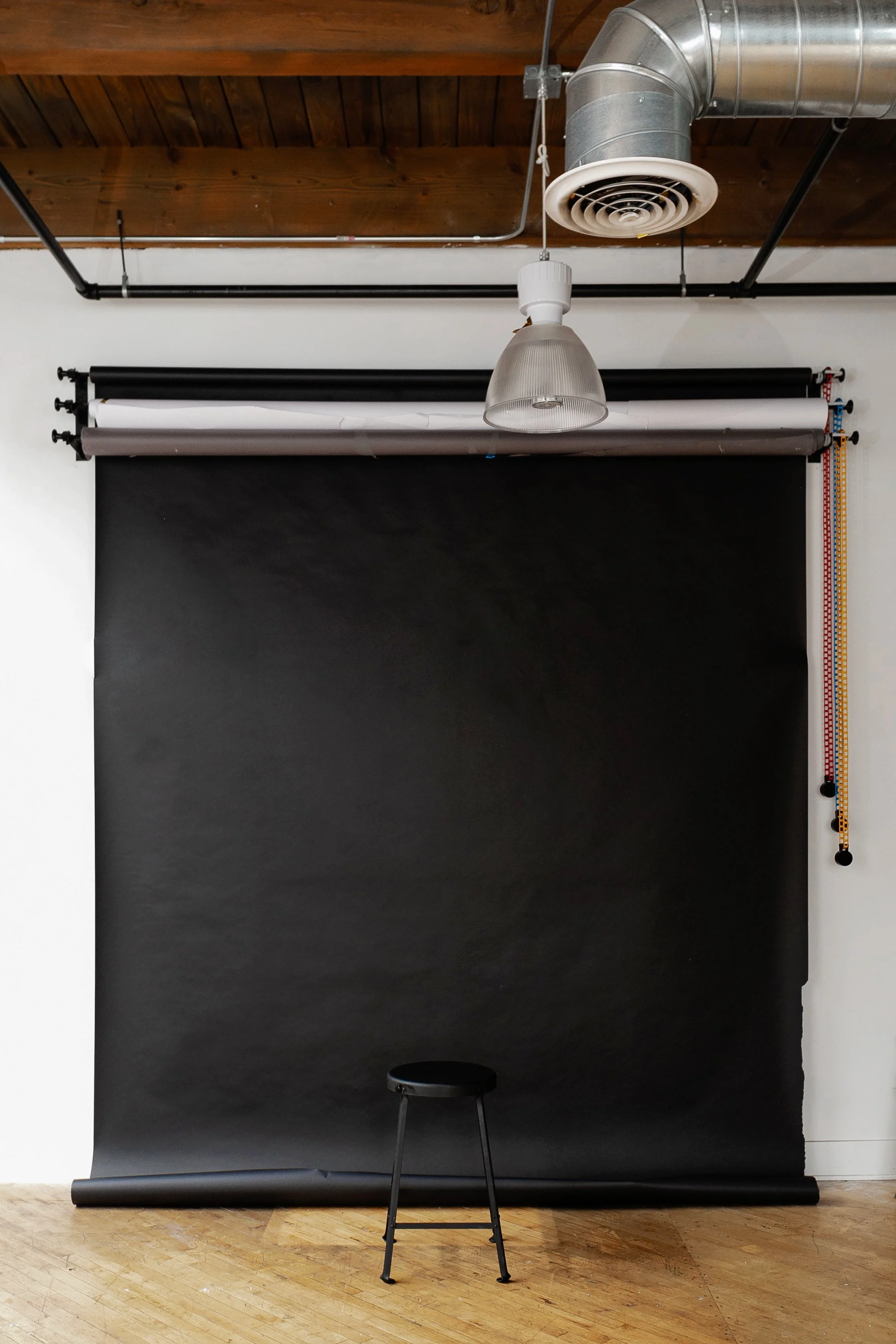

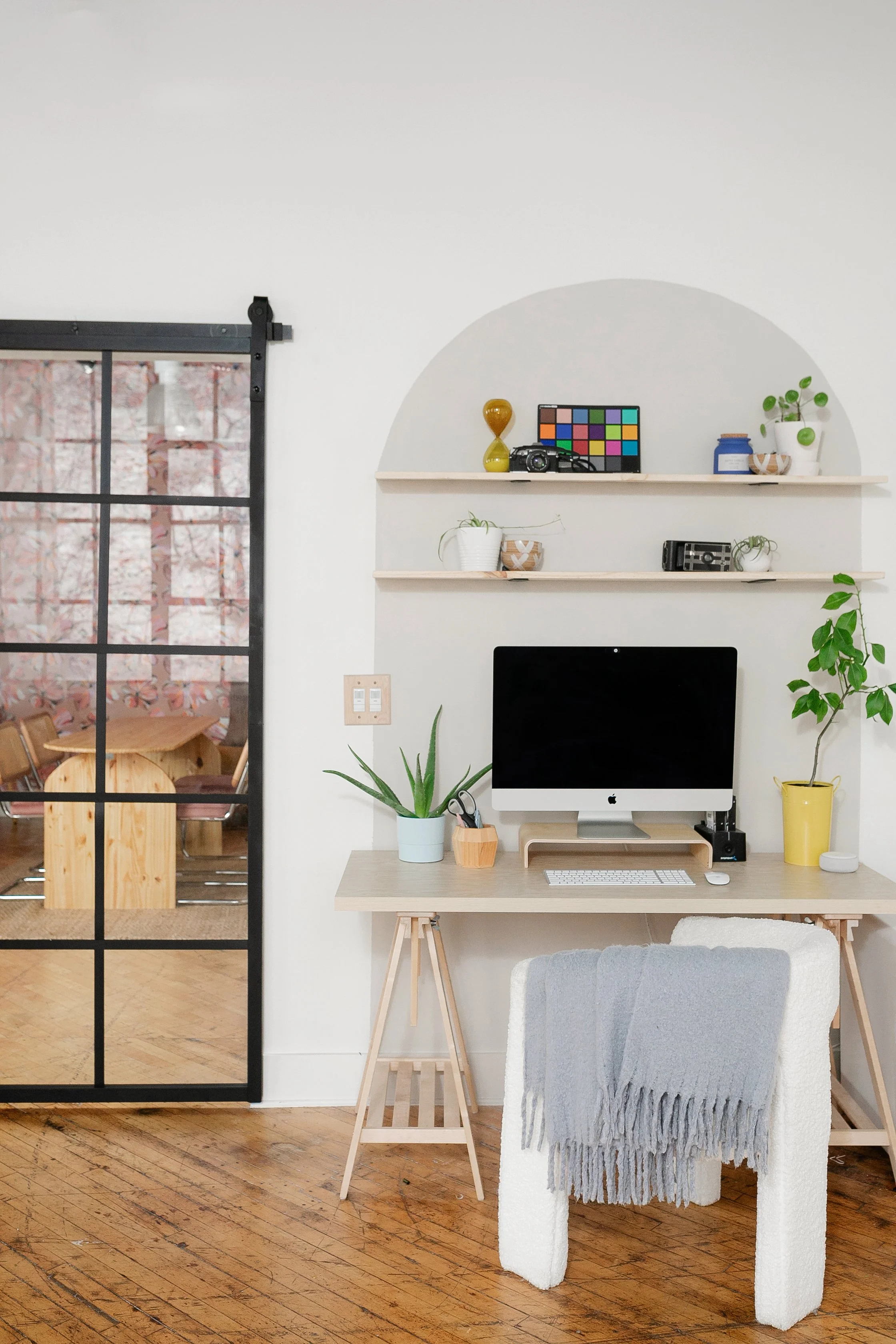
I wanted to become an accomplished photographer. I wanted to build a name for myself. I wanted people to trust me with their work, their homes, their families, their businesses. And slowly, over the years, that happened. The hustle feels different now. Those early days of proving myself, taking every job, learning everything the hard way, and staying up until 2am editing because I didn’t know how to build margin into my work — those days built the foundation of what exists today.
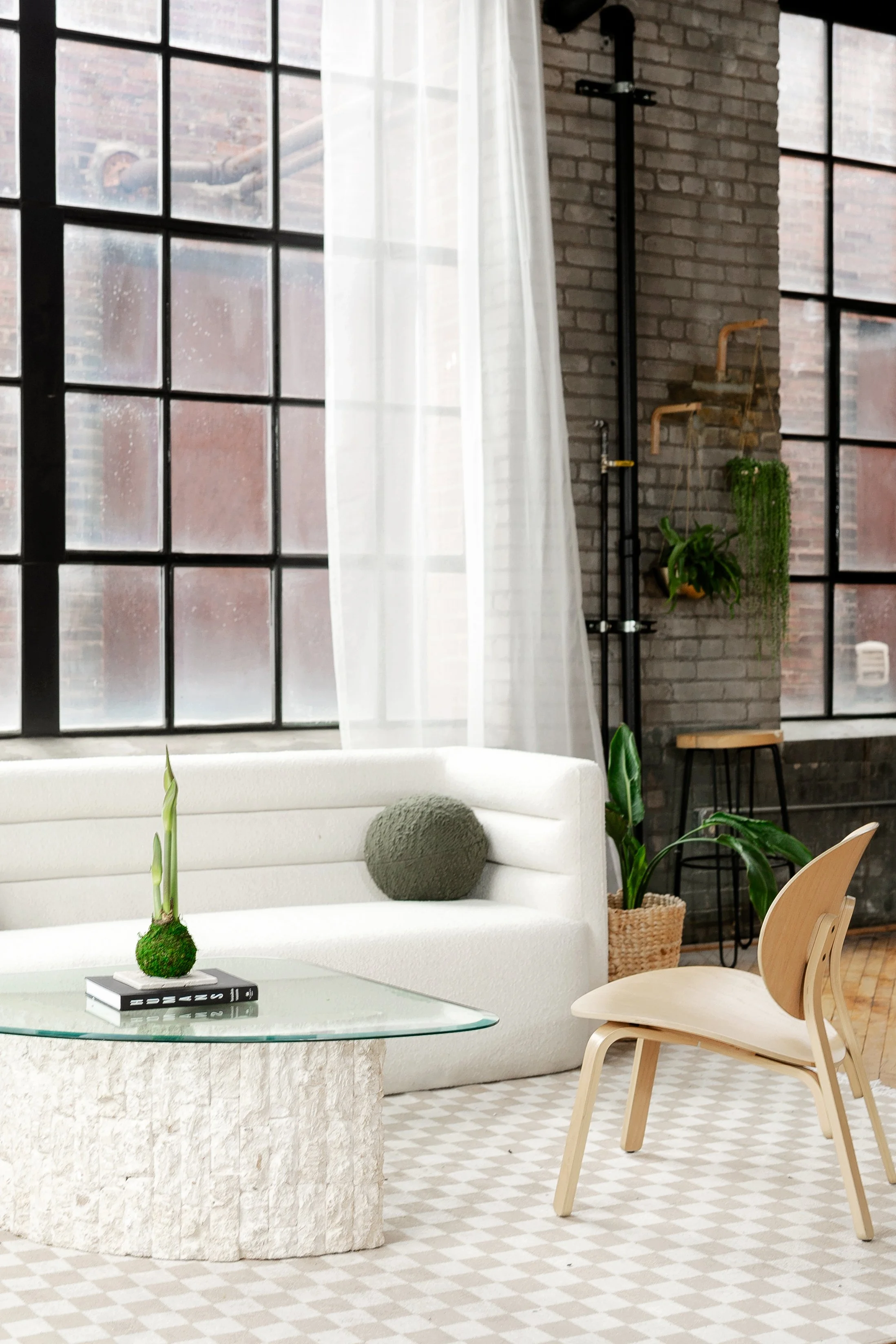
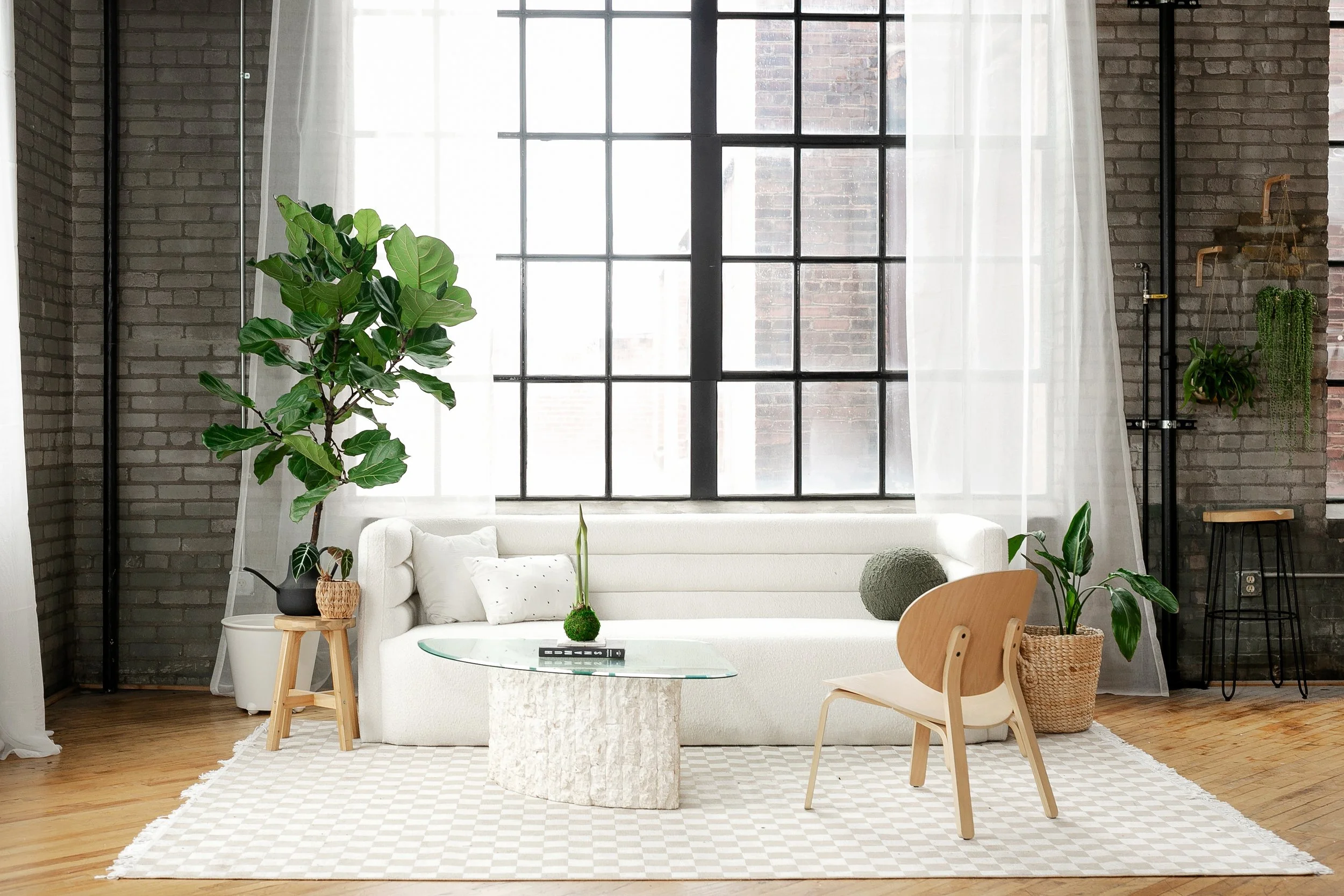
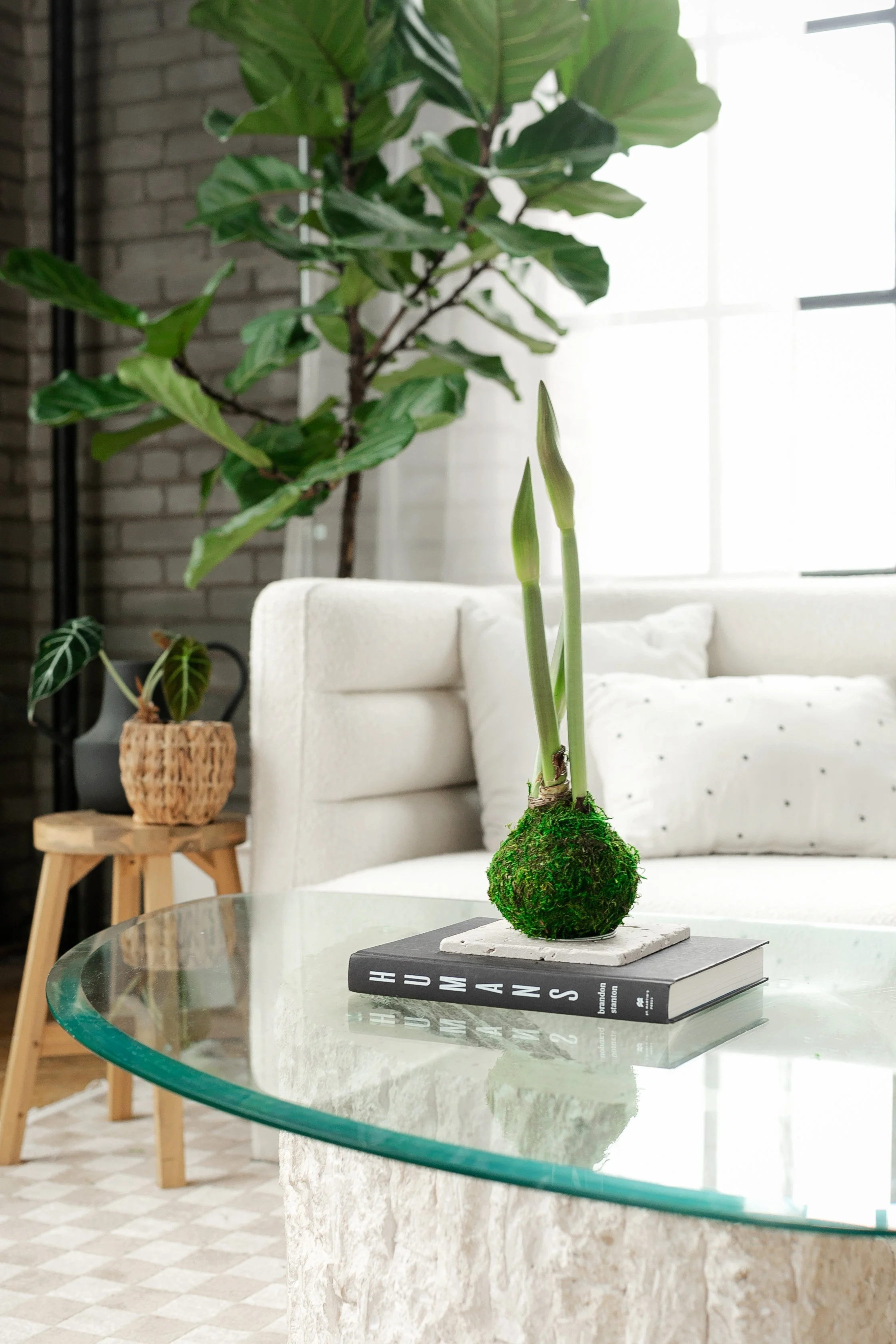
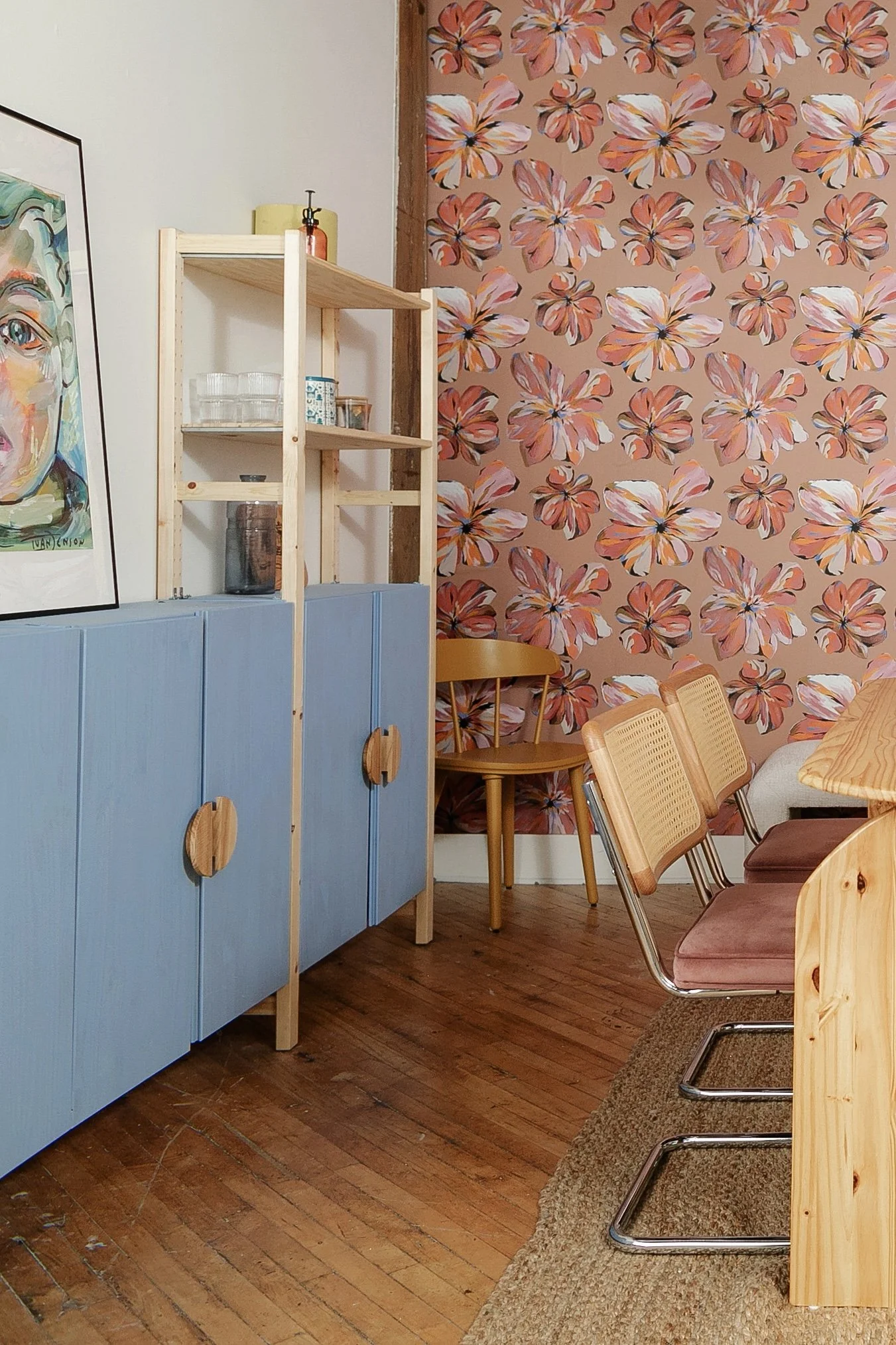
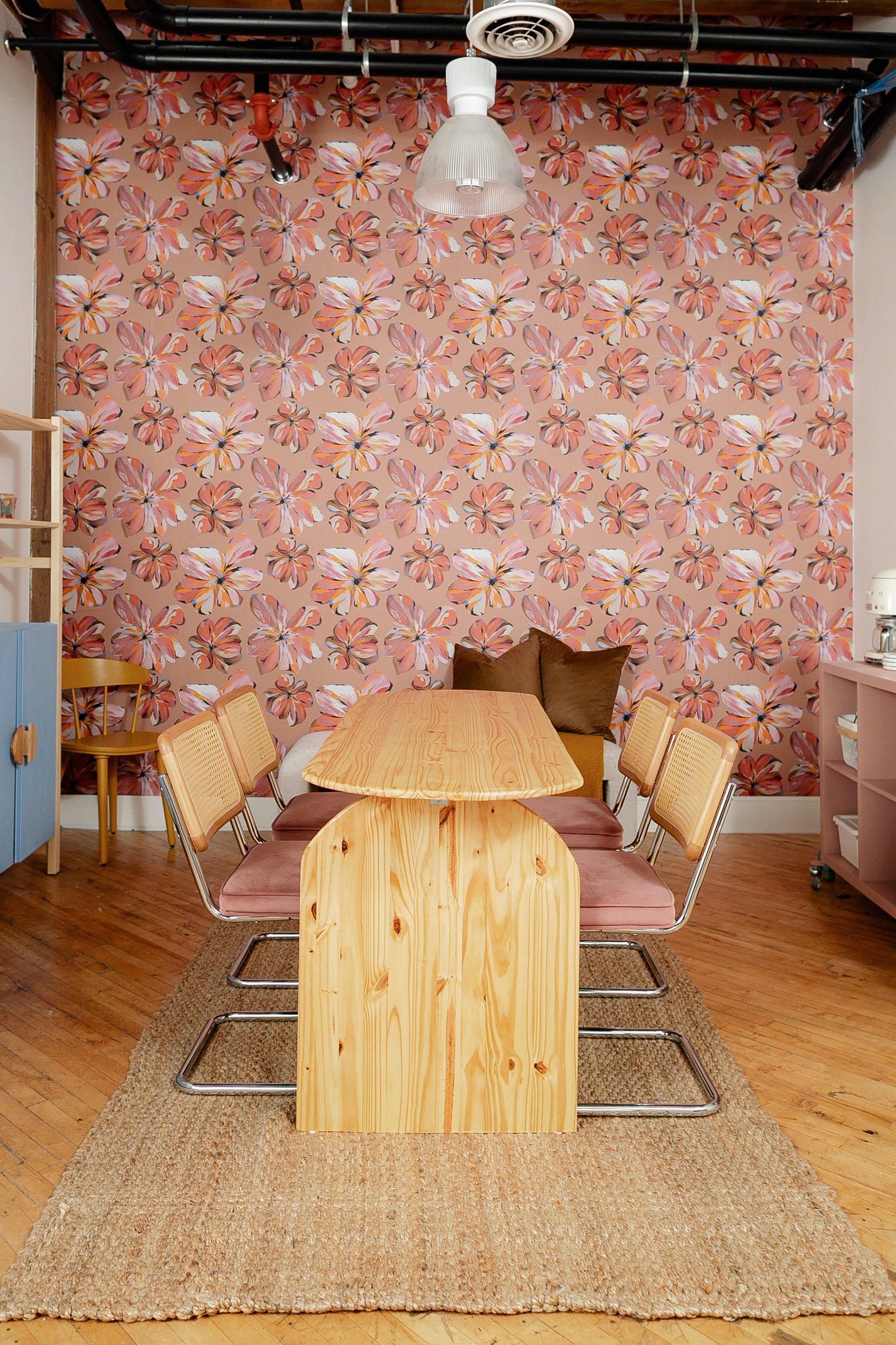
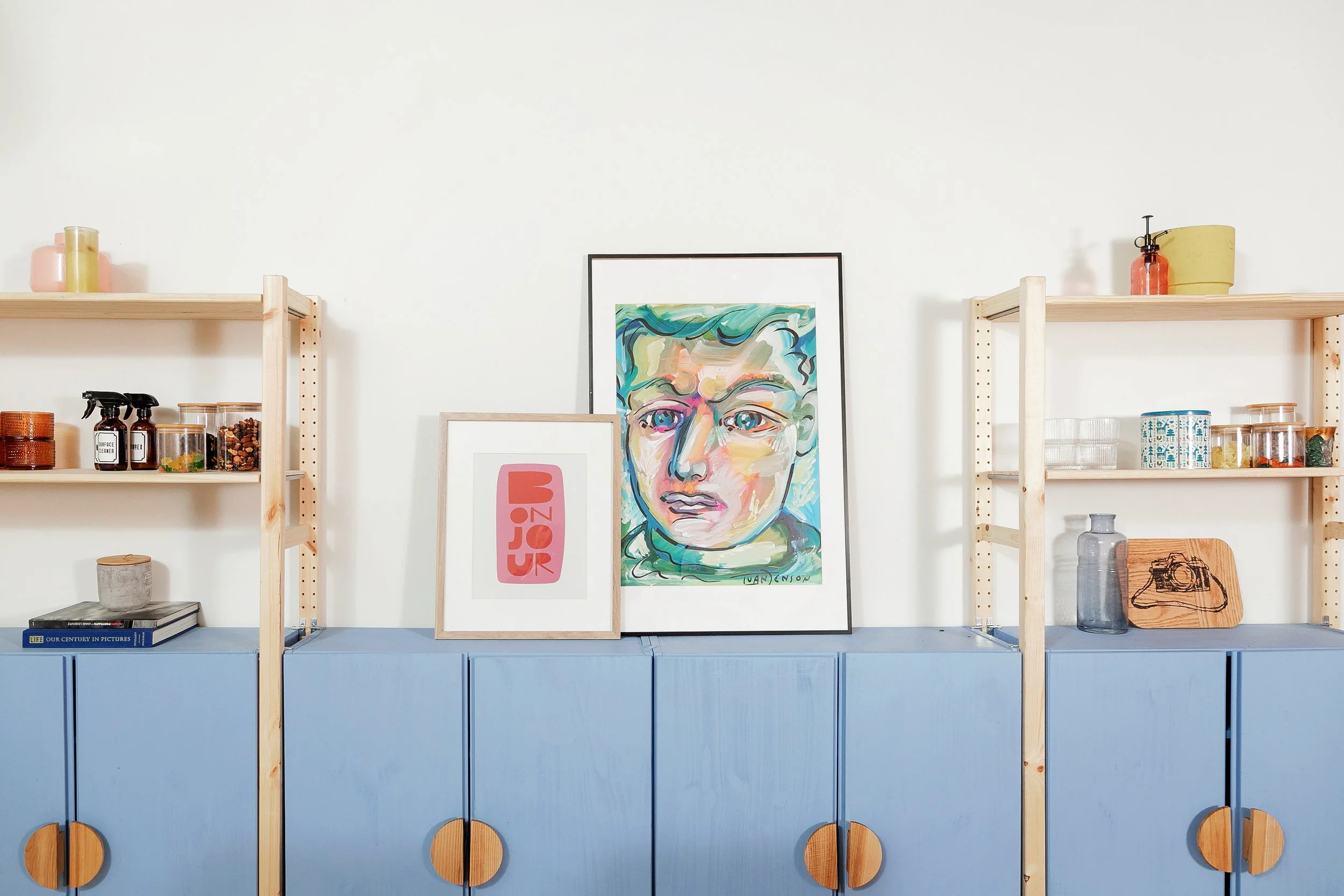
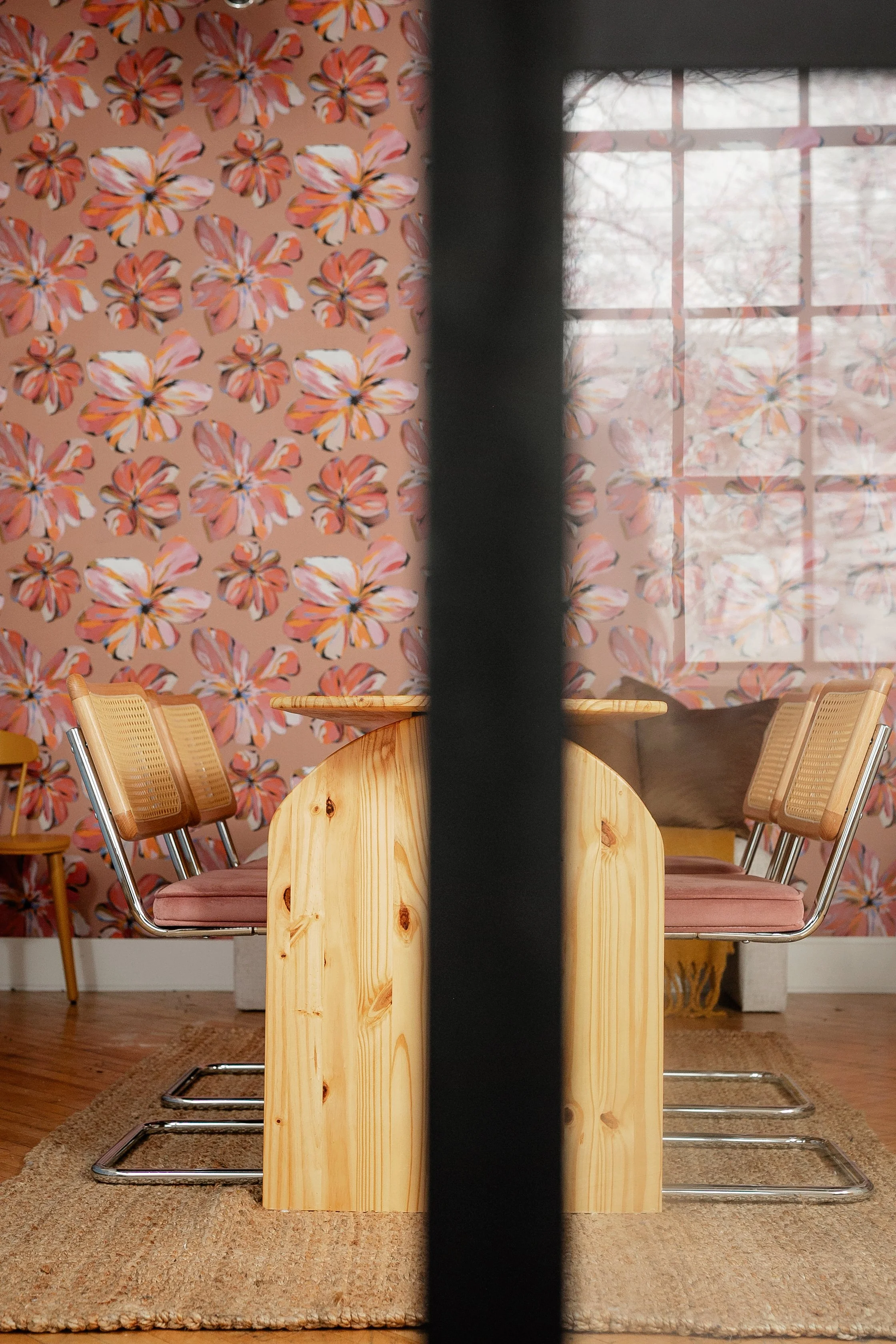
Now I have a studio. That used to be a dream. I remember hauling gear in and out of my car and dreaming of the space I’d have that was mine. A place where the work lived, and I was able to just exist. While owning a studio isn’t always as glamorous as it sounds — there’s overhead, maintenance, rearranging furniture for the fiftieth time — it’s something I built and I’m incredibly proud of it.
When I look back, some of my earliest lessons came in ways that were both humbling and a little hilarious in hindsight.
My first studio job was photographing nuts. Literally piles of nuts and nut mixes for Ferris Nut and Coffee. My job was to sort through massive trays of almonds, cashews, dried cranberries, and chocolate pieces to find the “hero” nuts. The perfect ones. The ones worthy of being styled into a tiny pile for a cover shot. I had tweezers. I had styling tools. I took it very seriously. And I was thrilled to be doing it.
It sounds funny now, but that job taught me an enormous amount about precision. Lighting wasn’t accidental. Every detail mattered. A single shot was taken, sent to a creative team for critiques, and then minute changes were made - until it was perfect. You didn’t just throw things in a pile and hope it worked — you built the image piece by piece until it did.
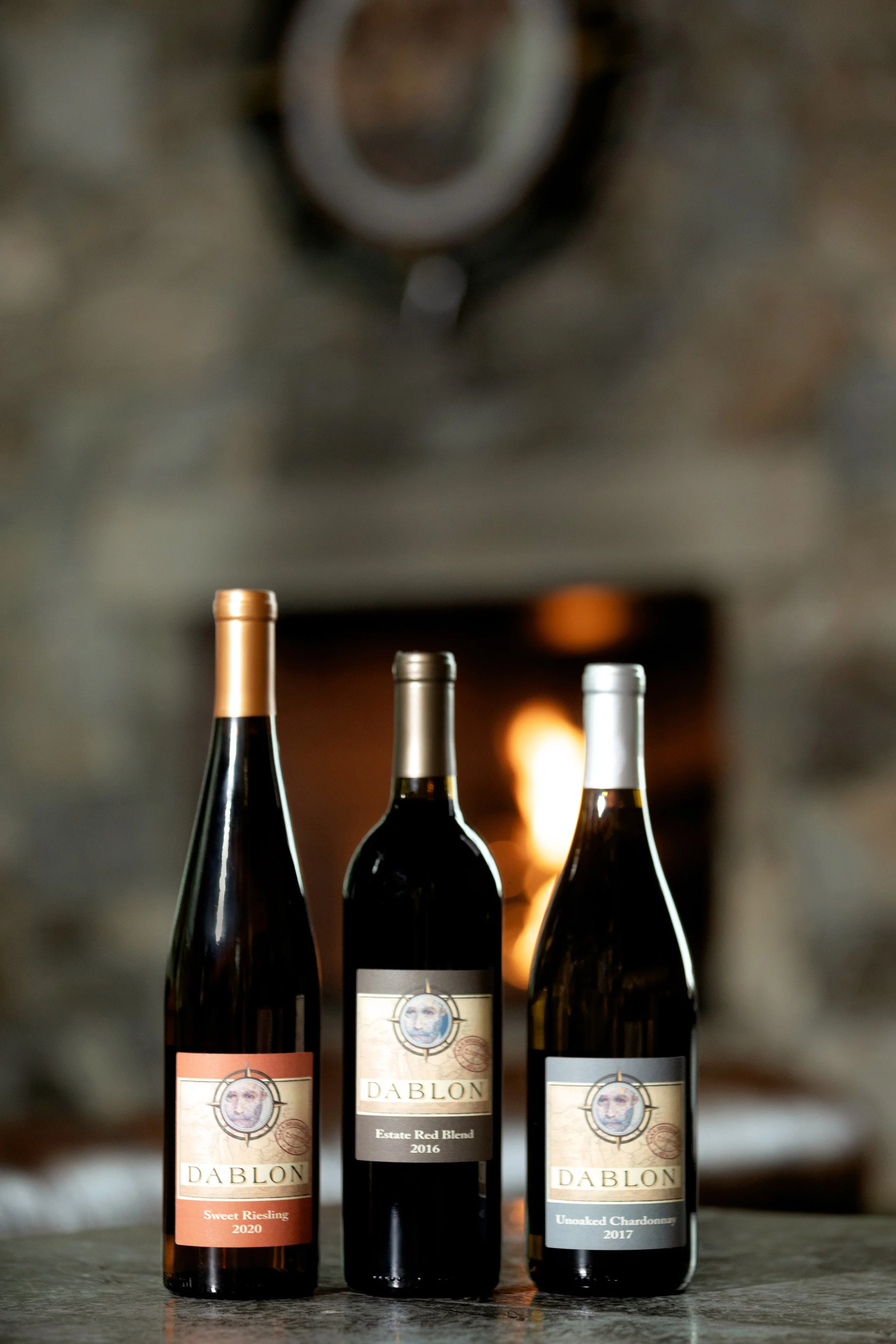
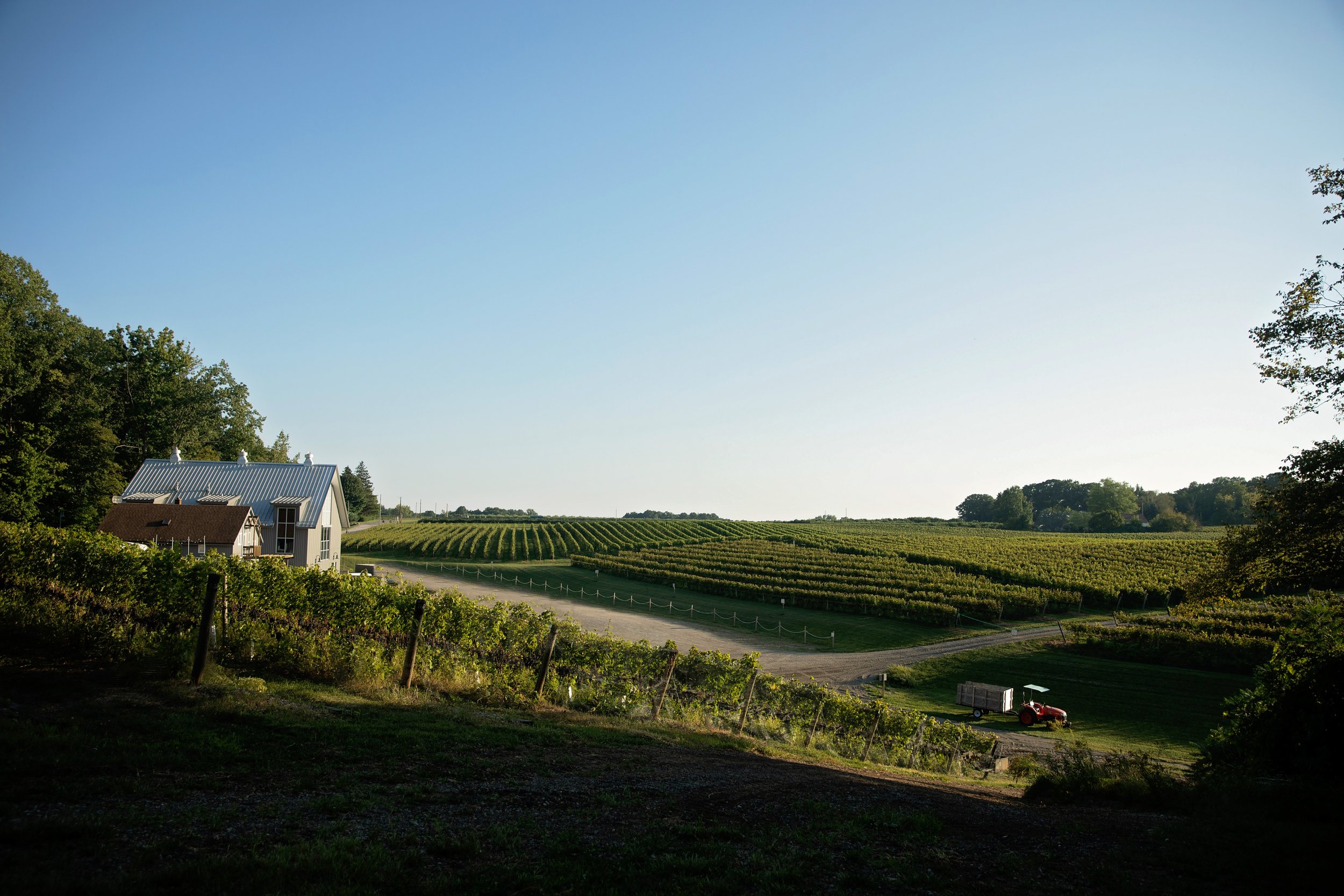
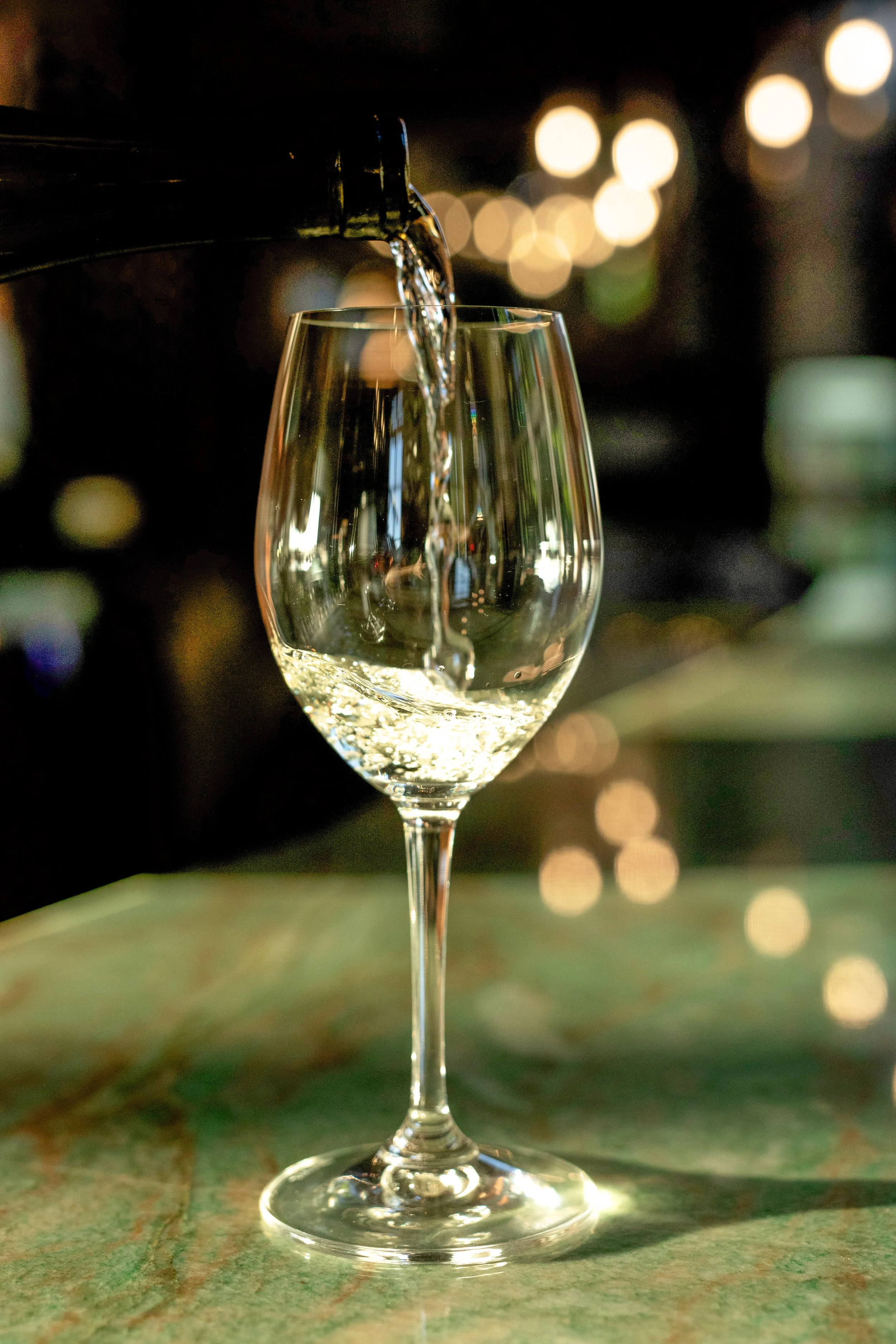
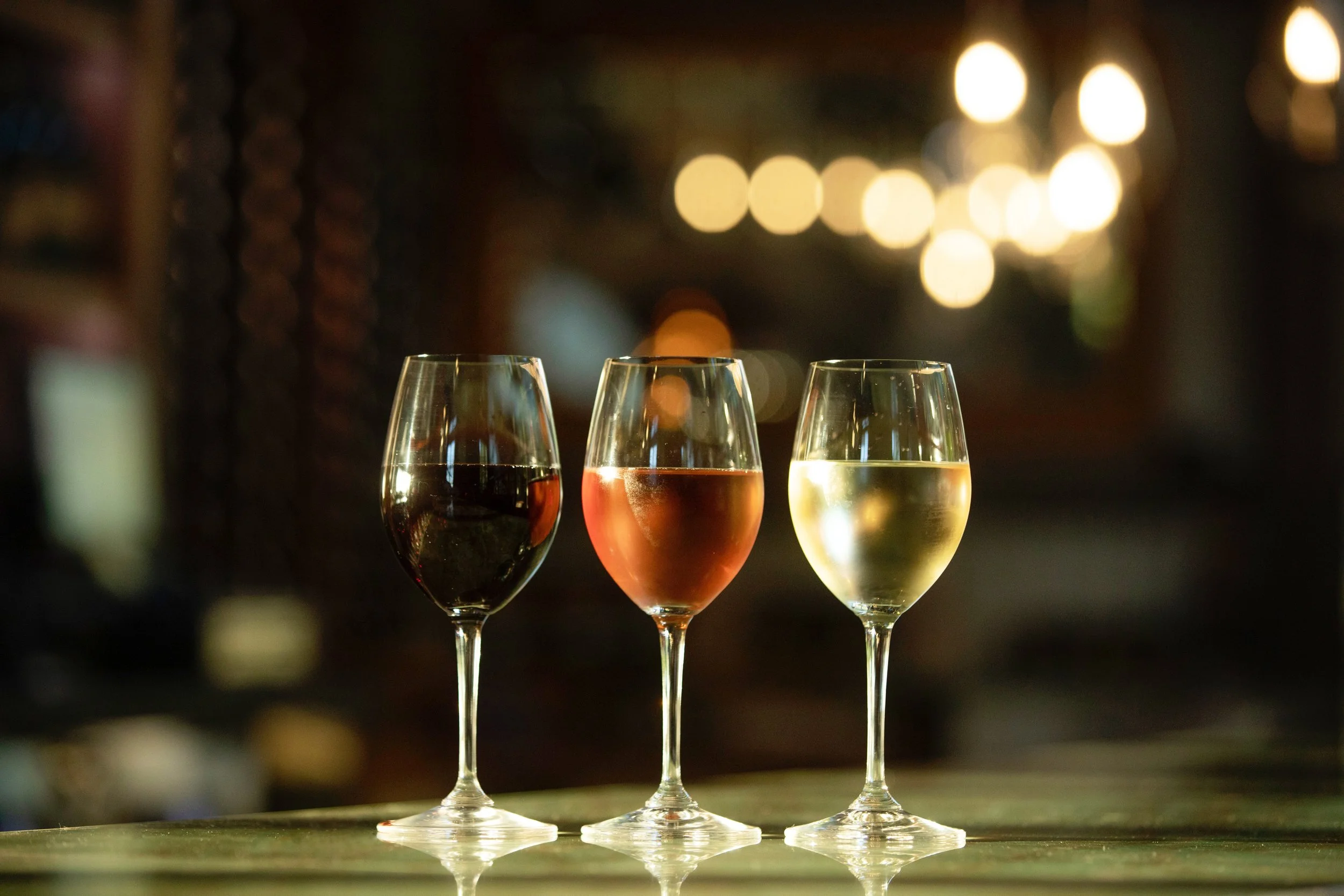
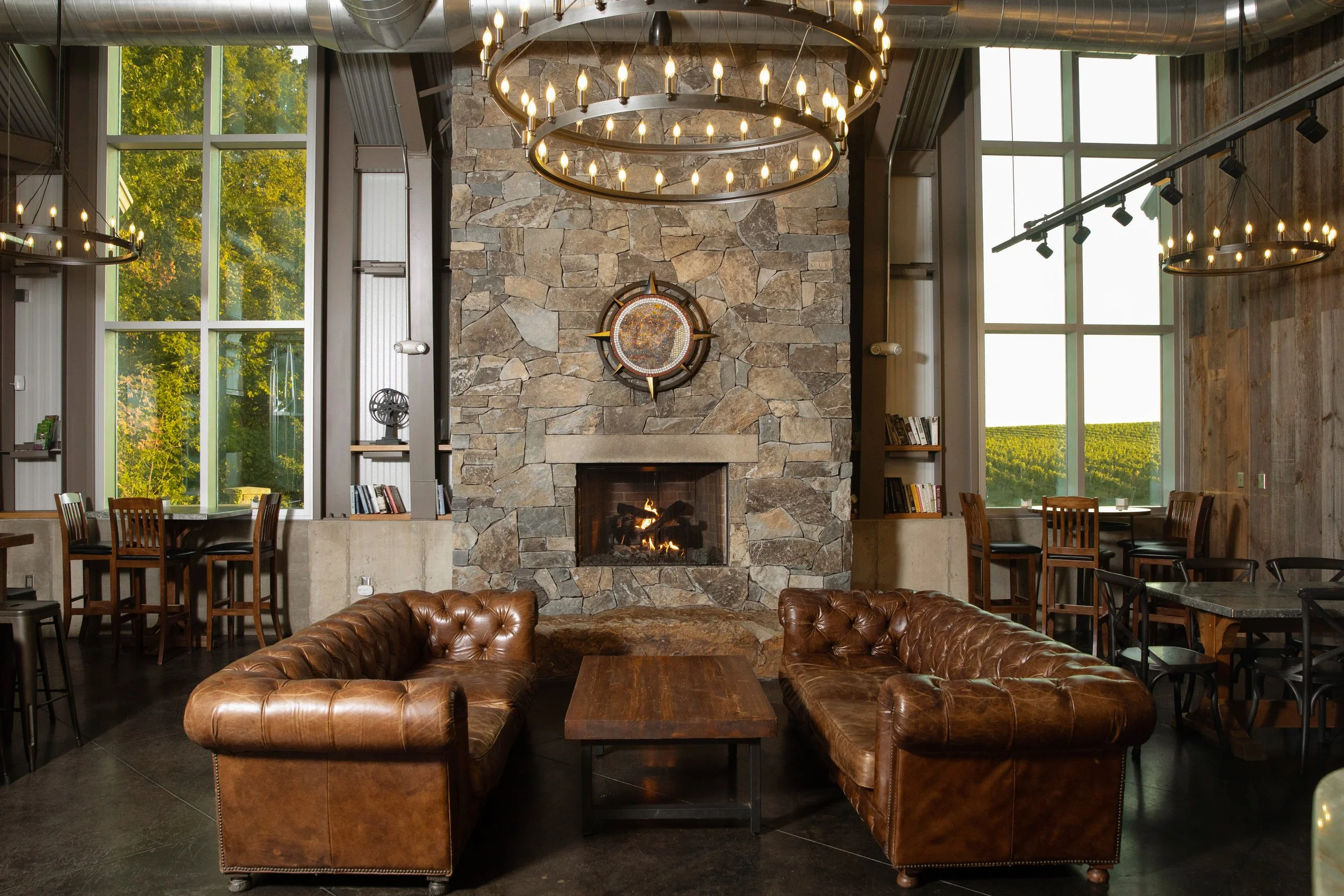
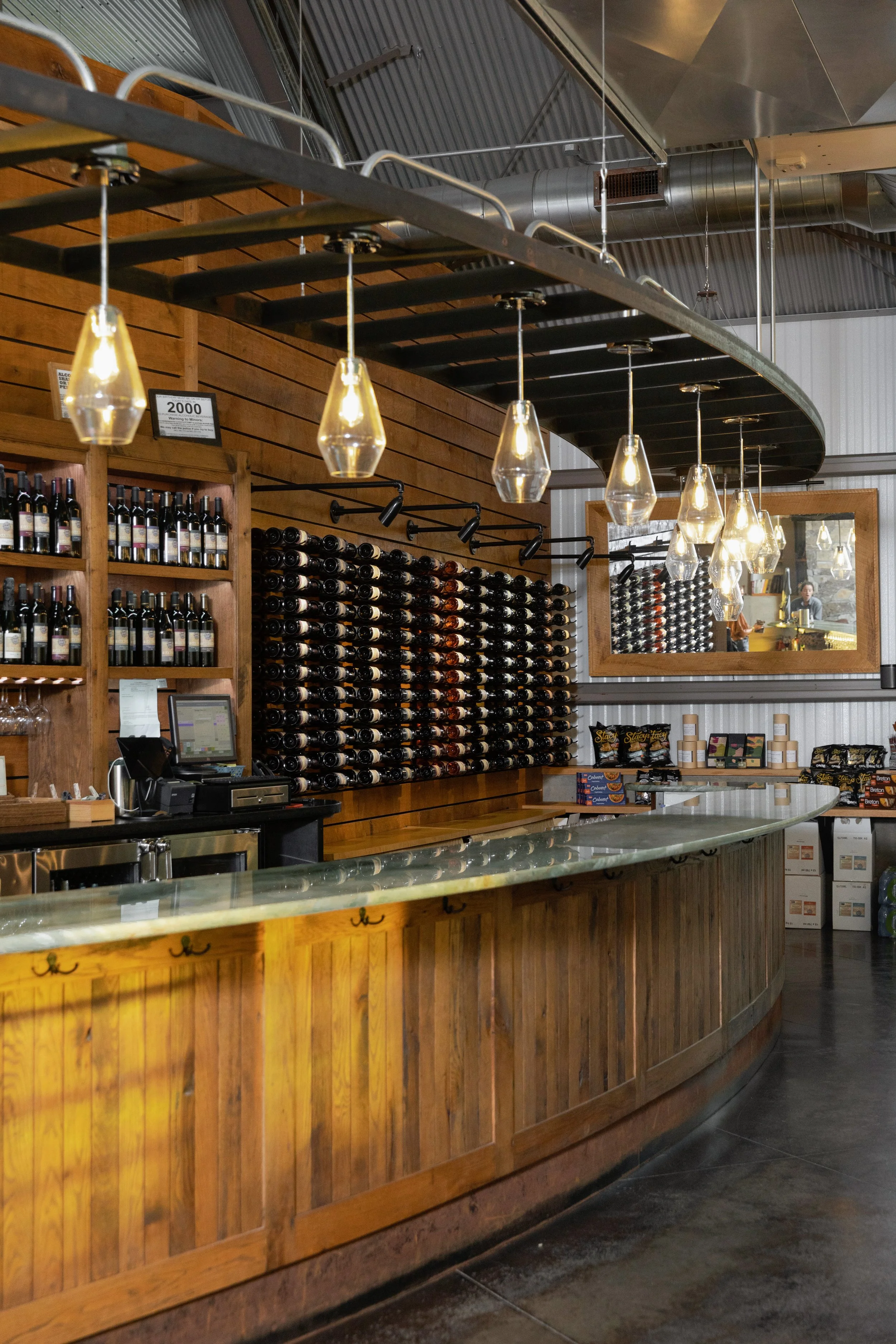
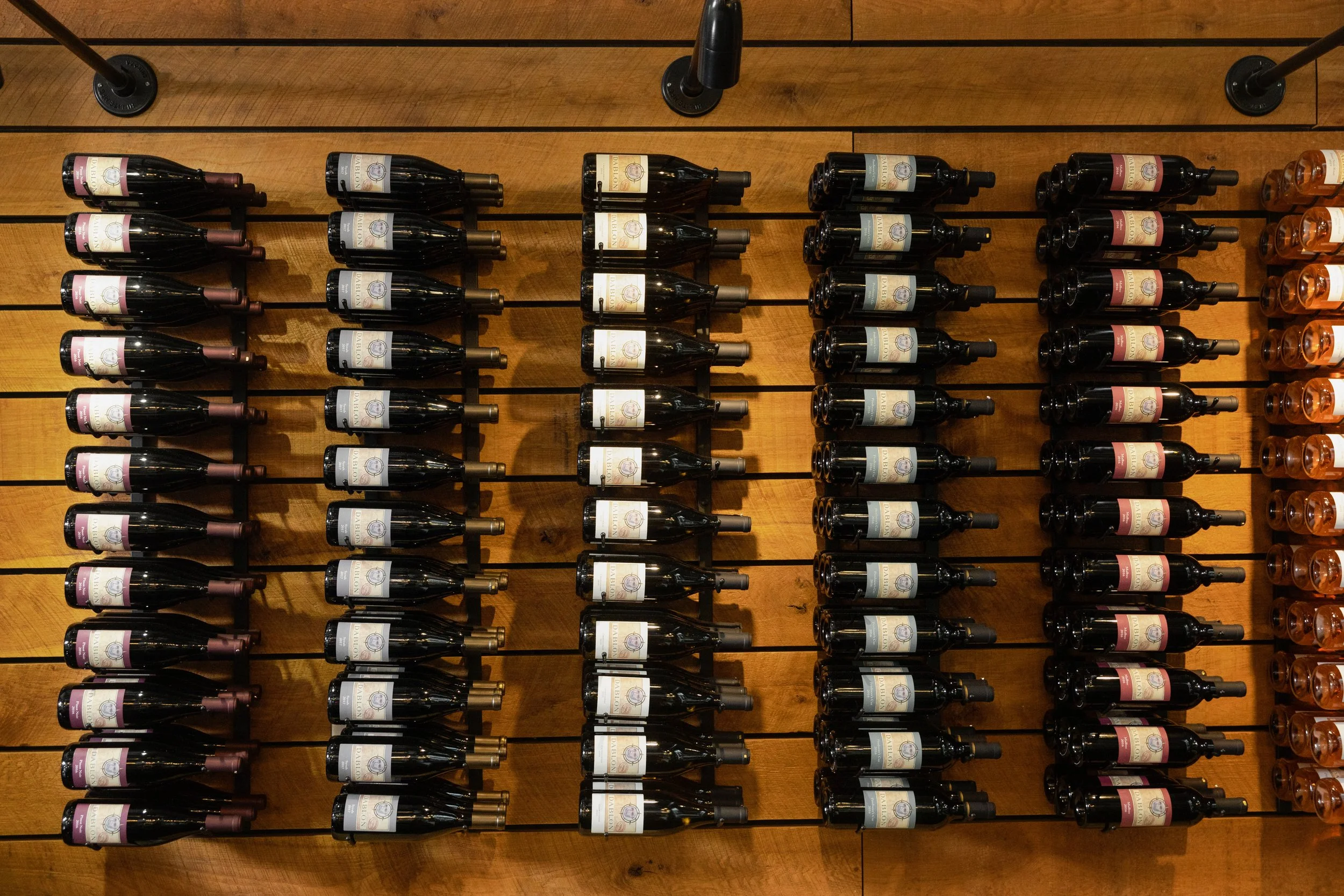
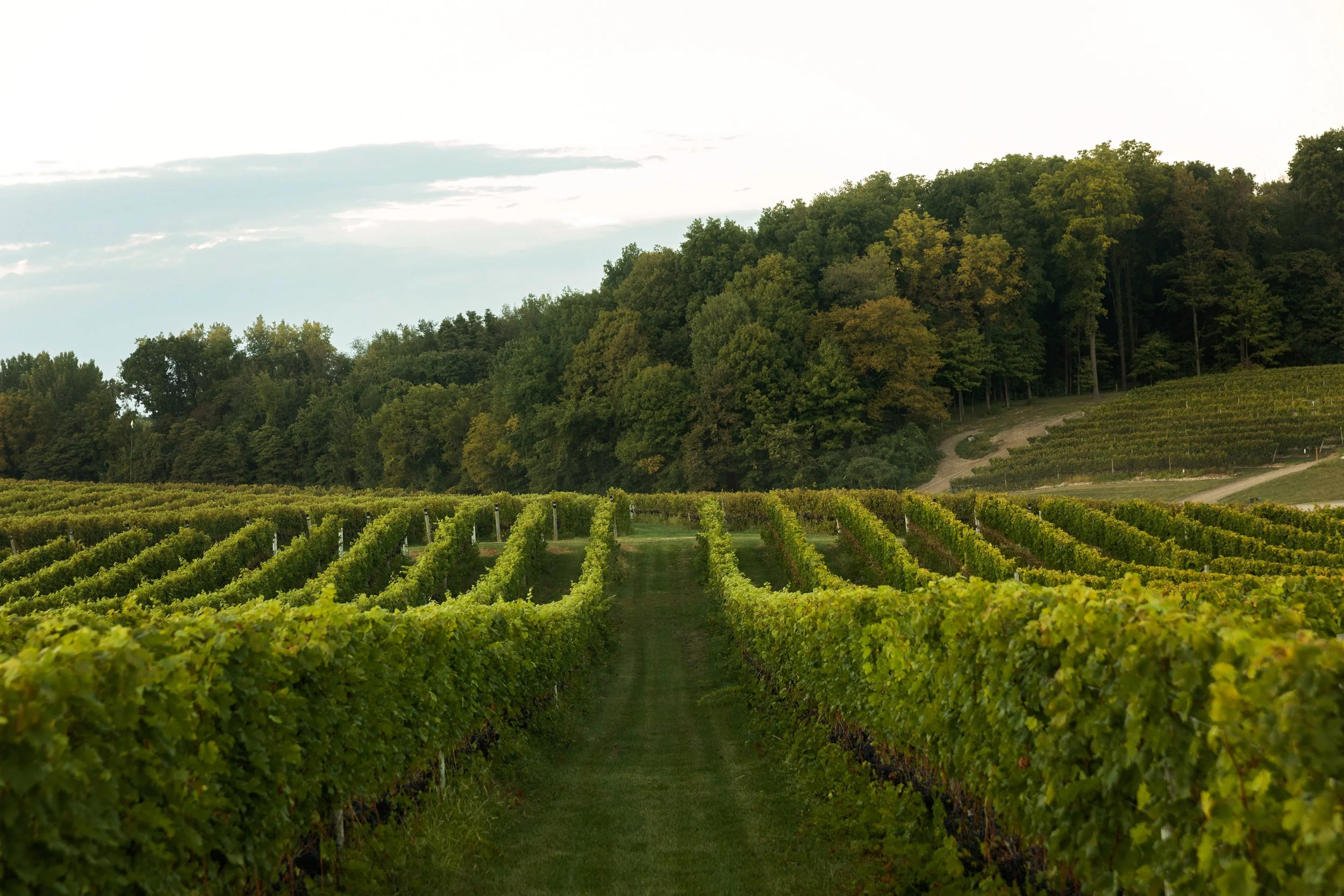
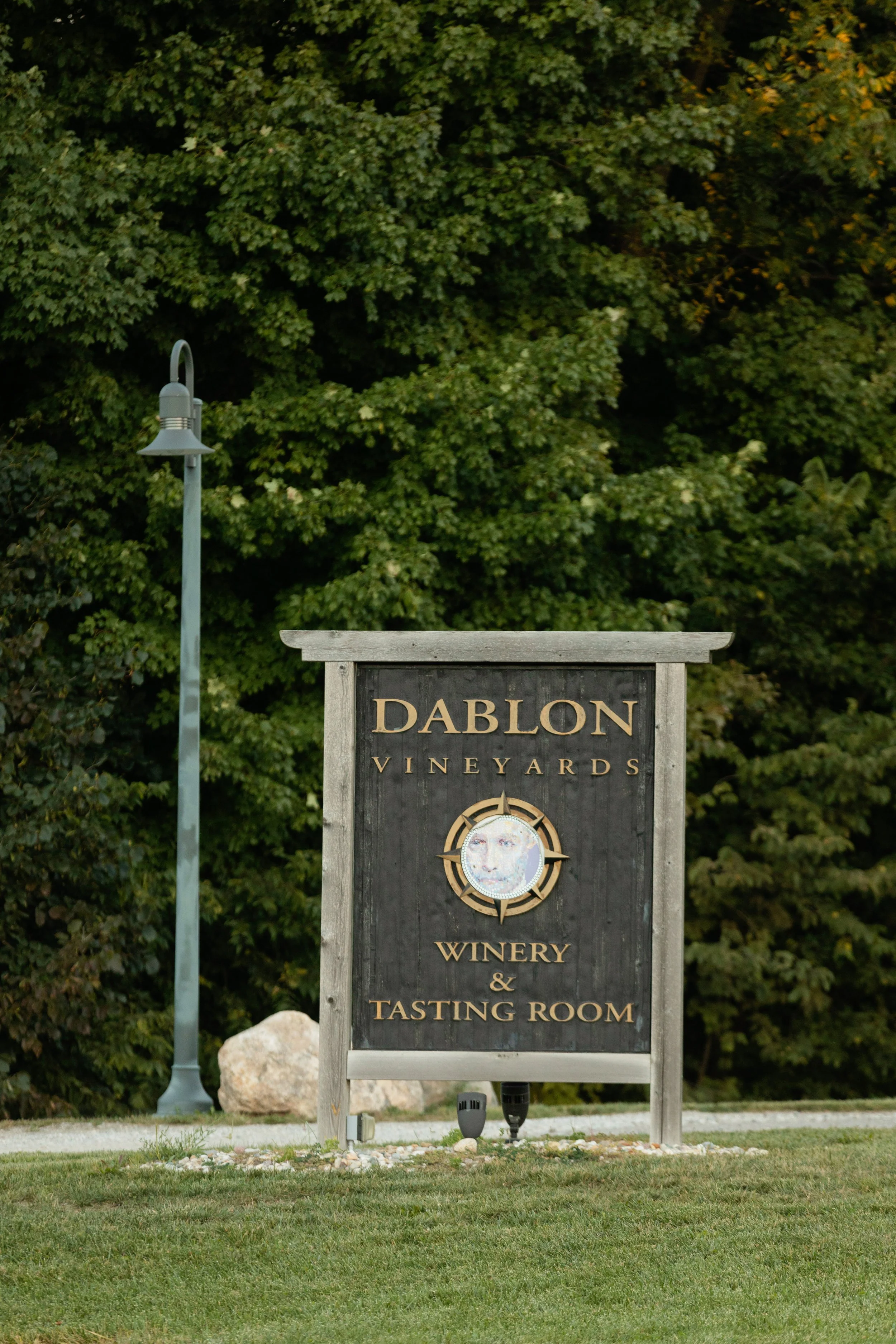
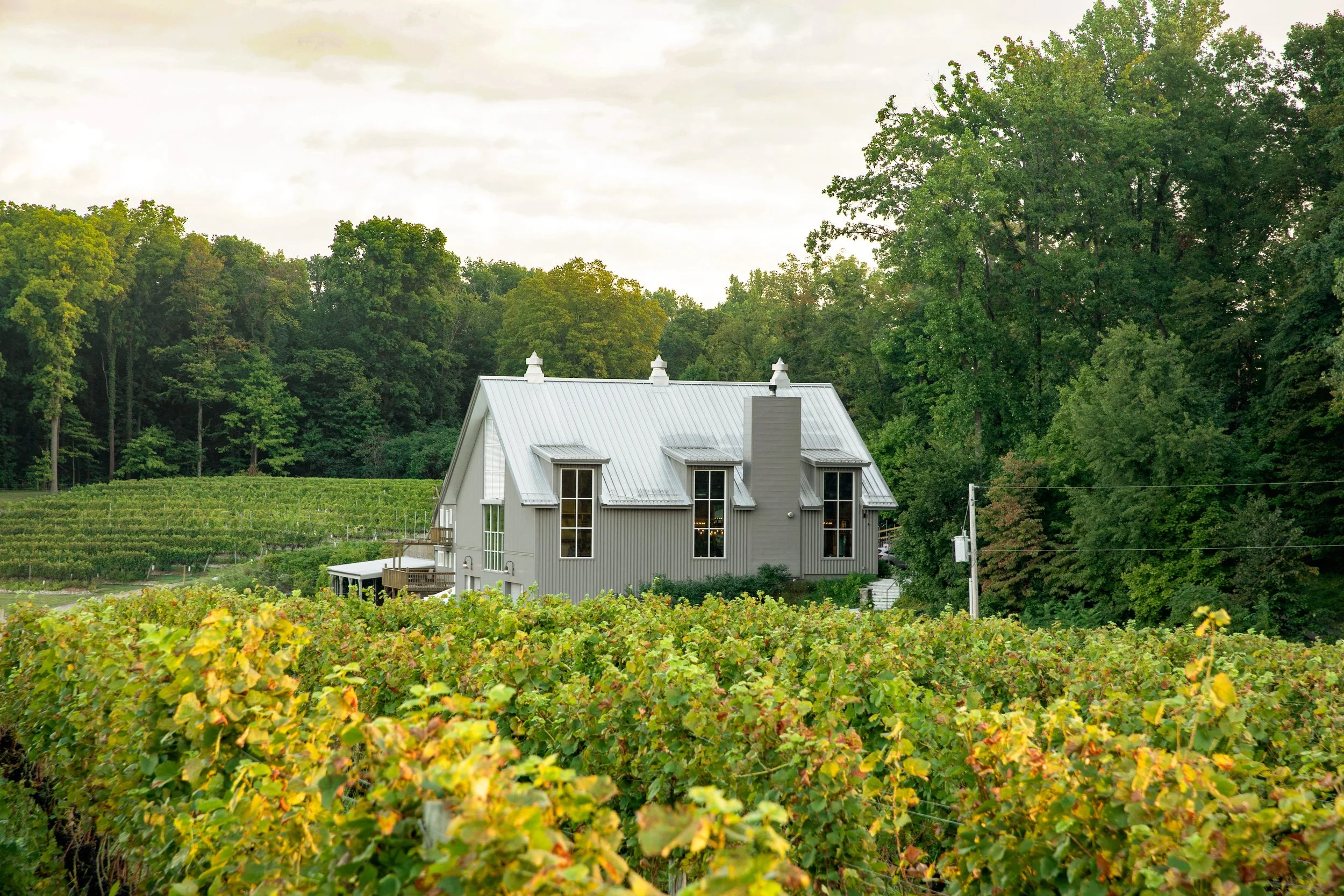
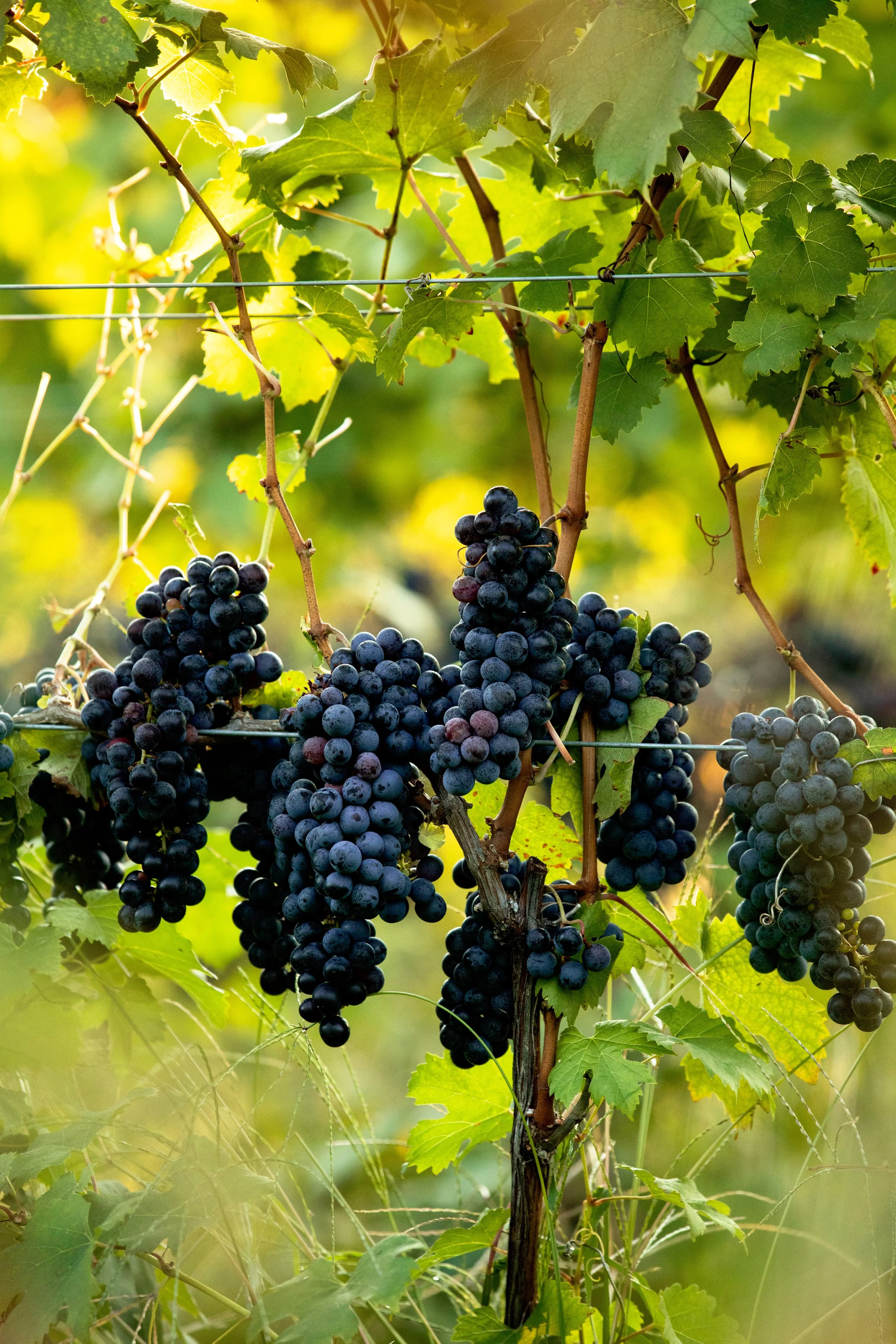
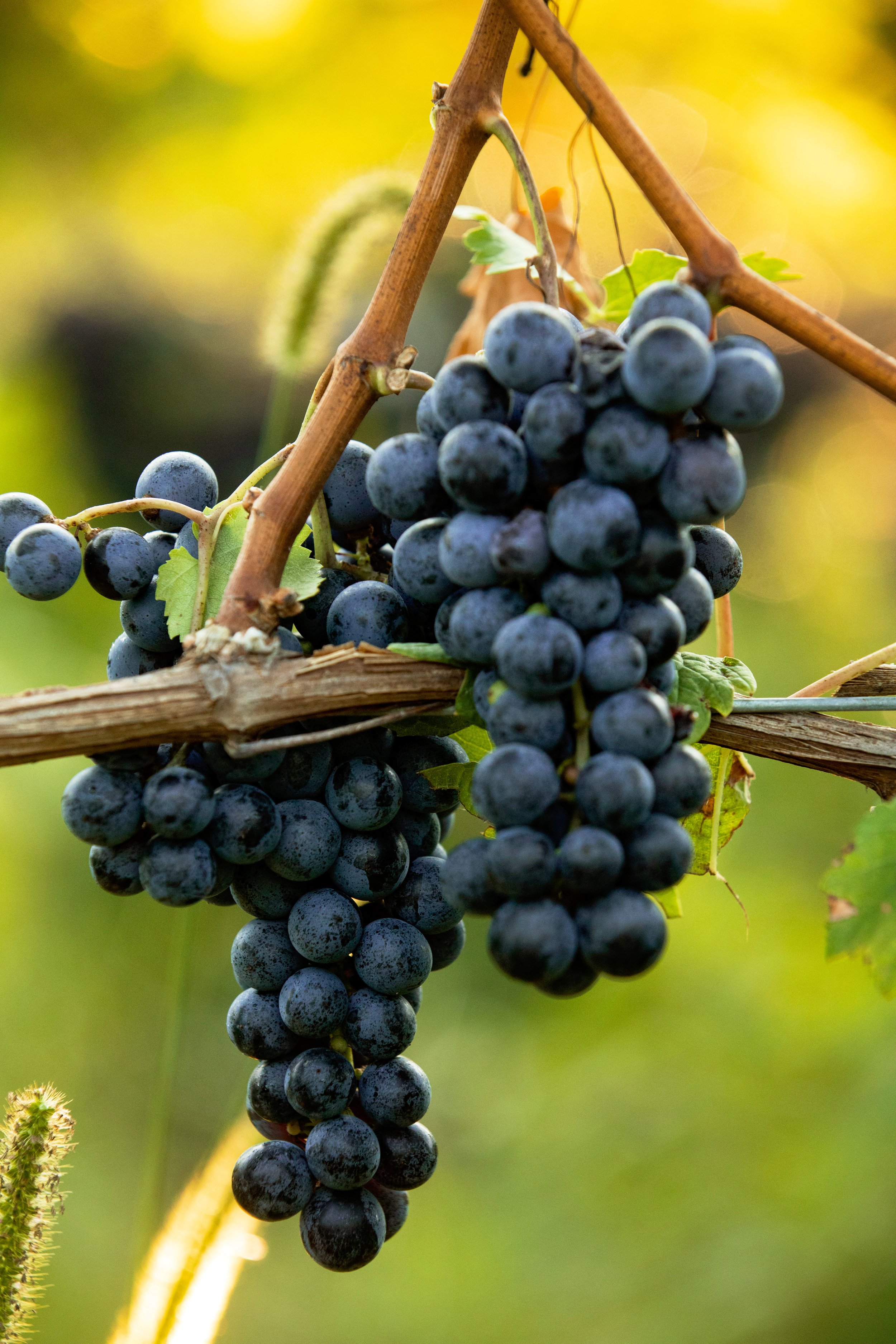
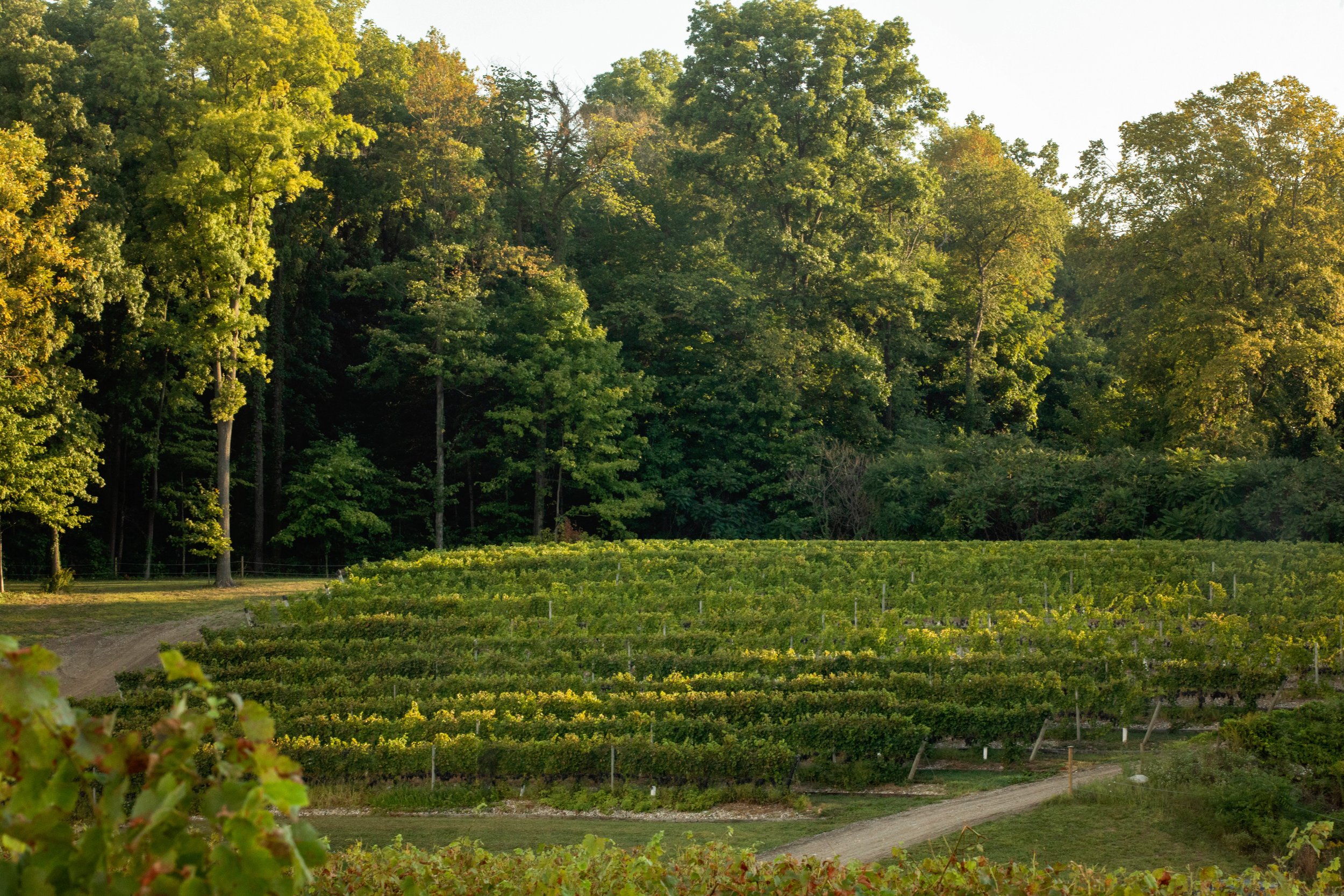
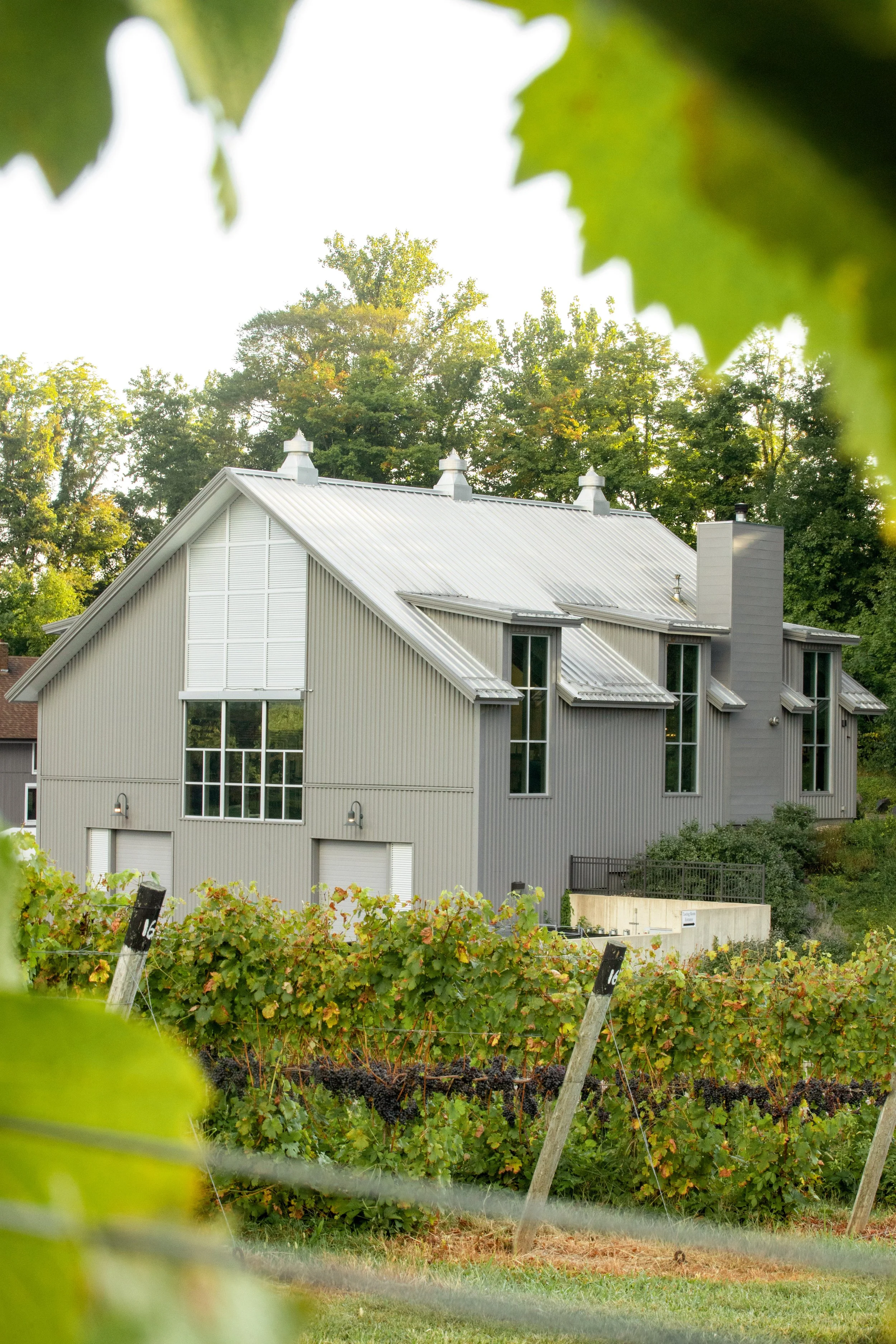
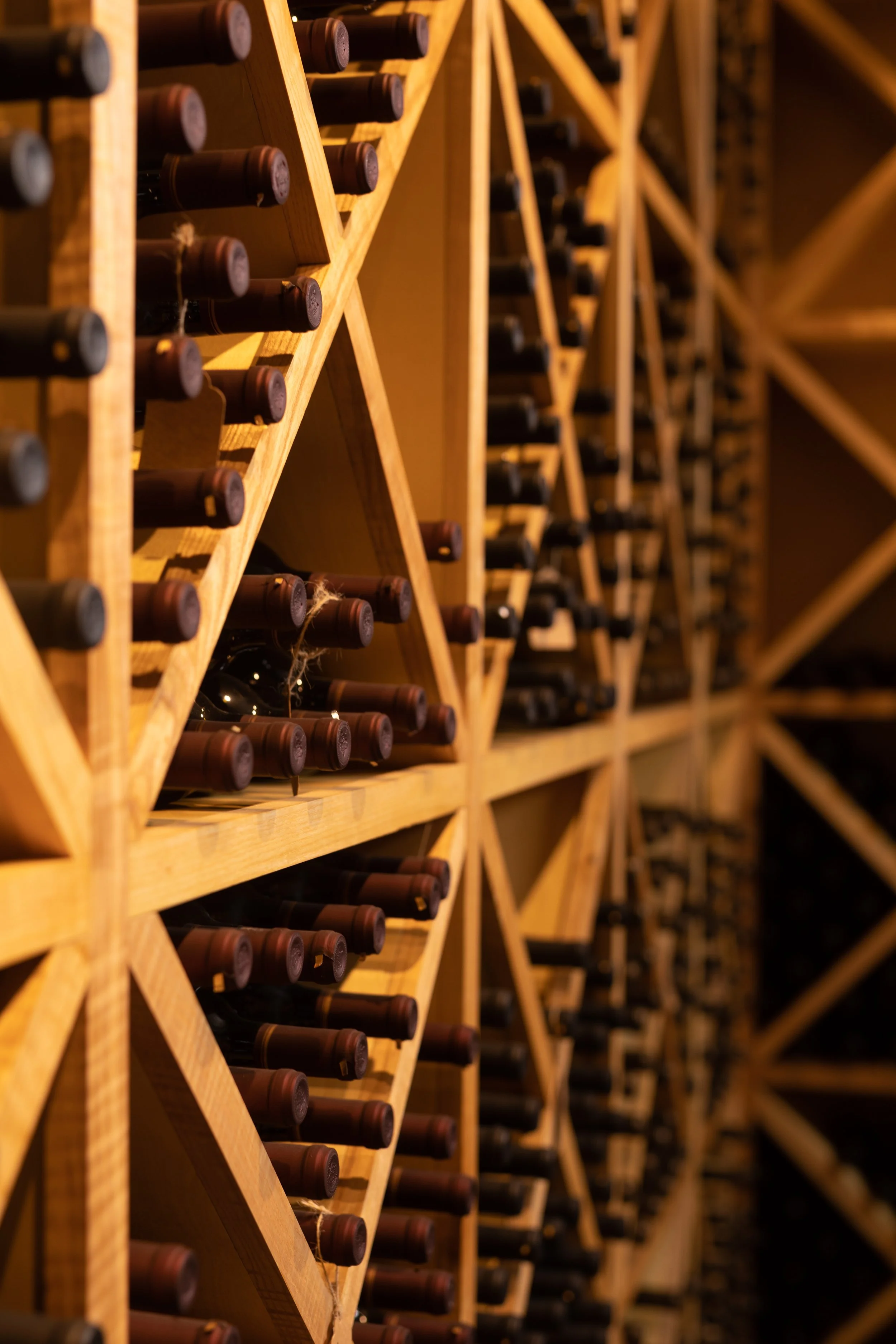
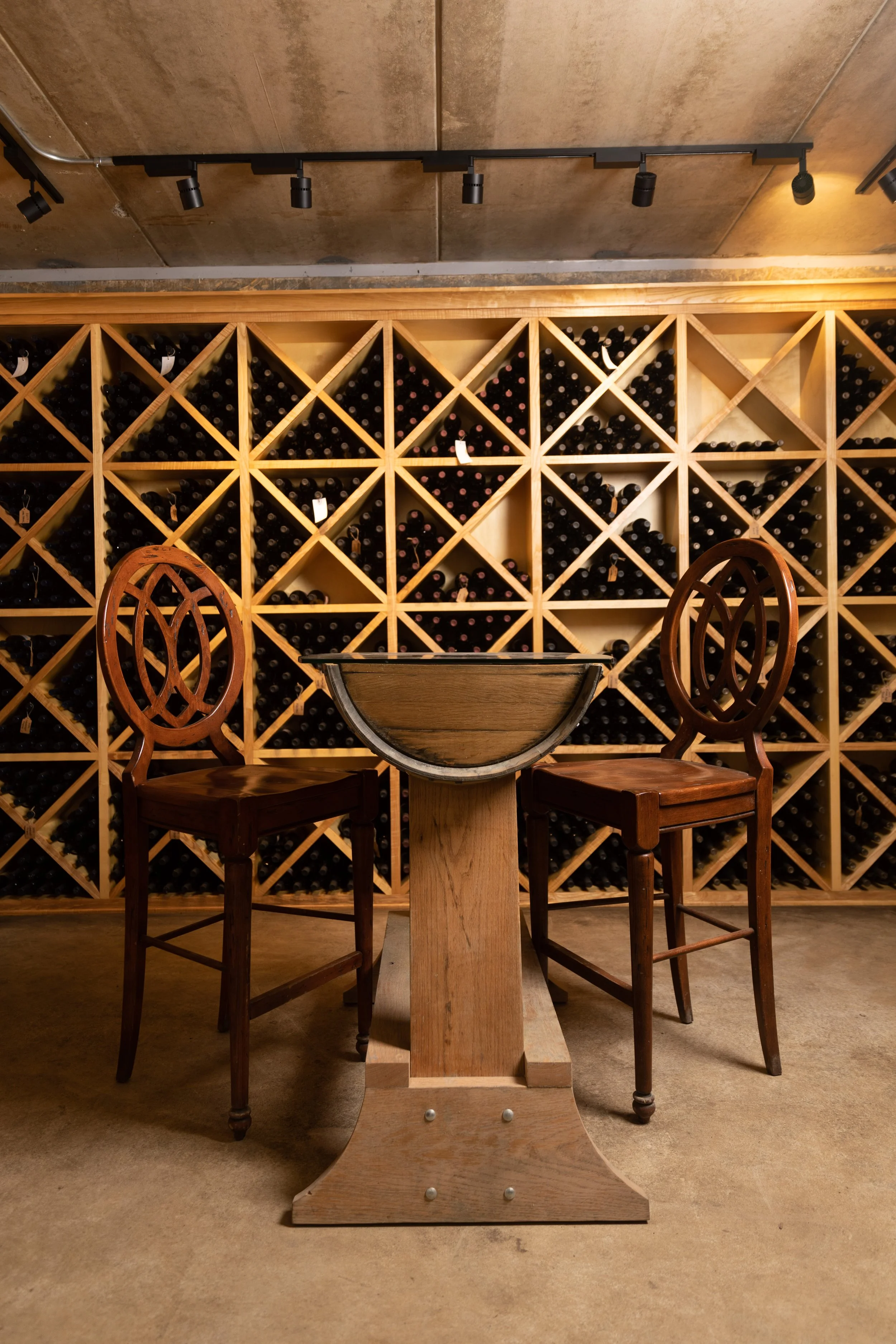
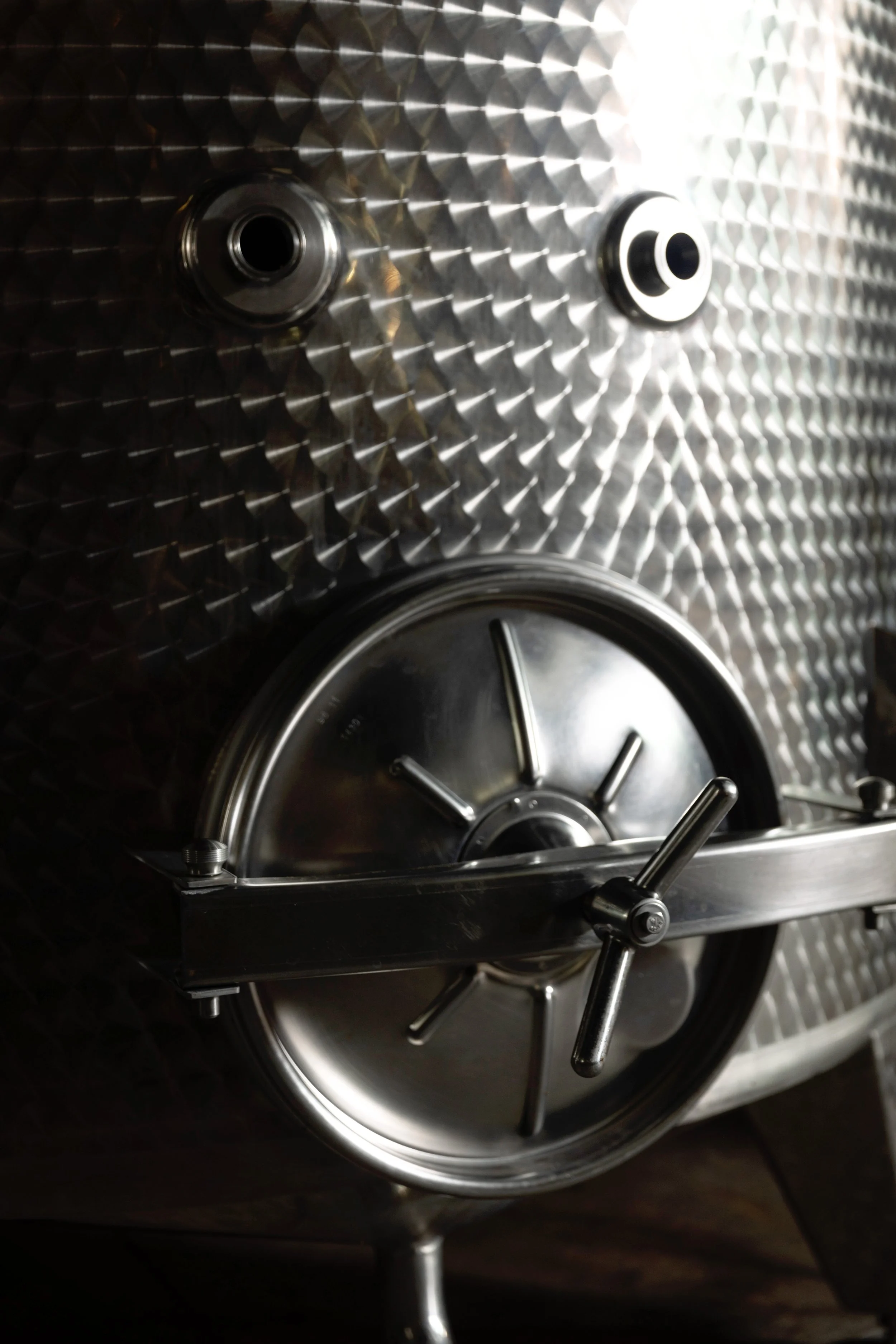
Then there was the vineyard job. This one hurt.
I had spent the day photographing a beautiful property and had ridden across acres of land on a gator to capture different parts of the vineyard. When I got back to dump all the images on my computer, I realized that one SD card from the shoot had slipped out of my bag somewhere along that bumpy ride across the property. I knew “always dual card shoot, Dionel!”, but in the hurry I switched cards without switching a second. So only specific images resided on this one lonely memory card.
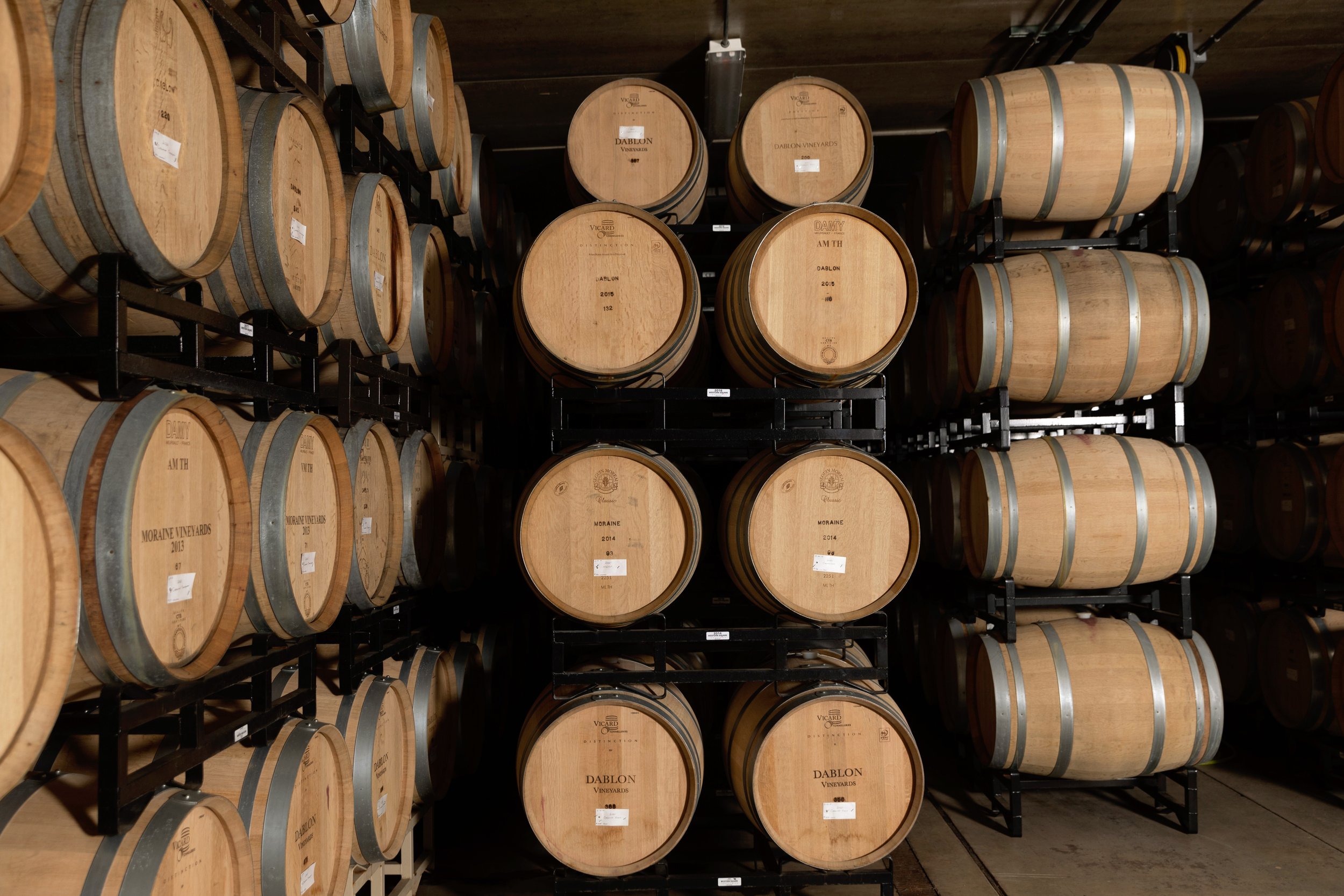
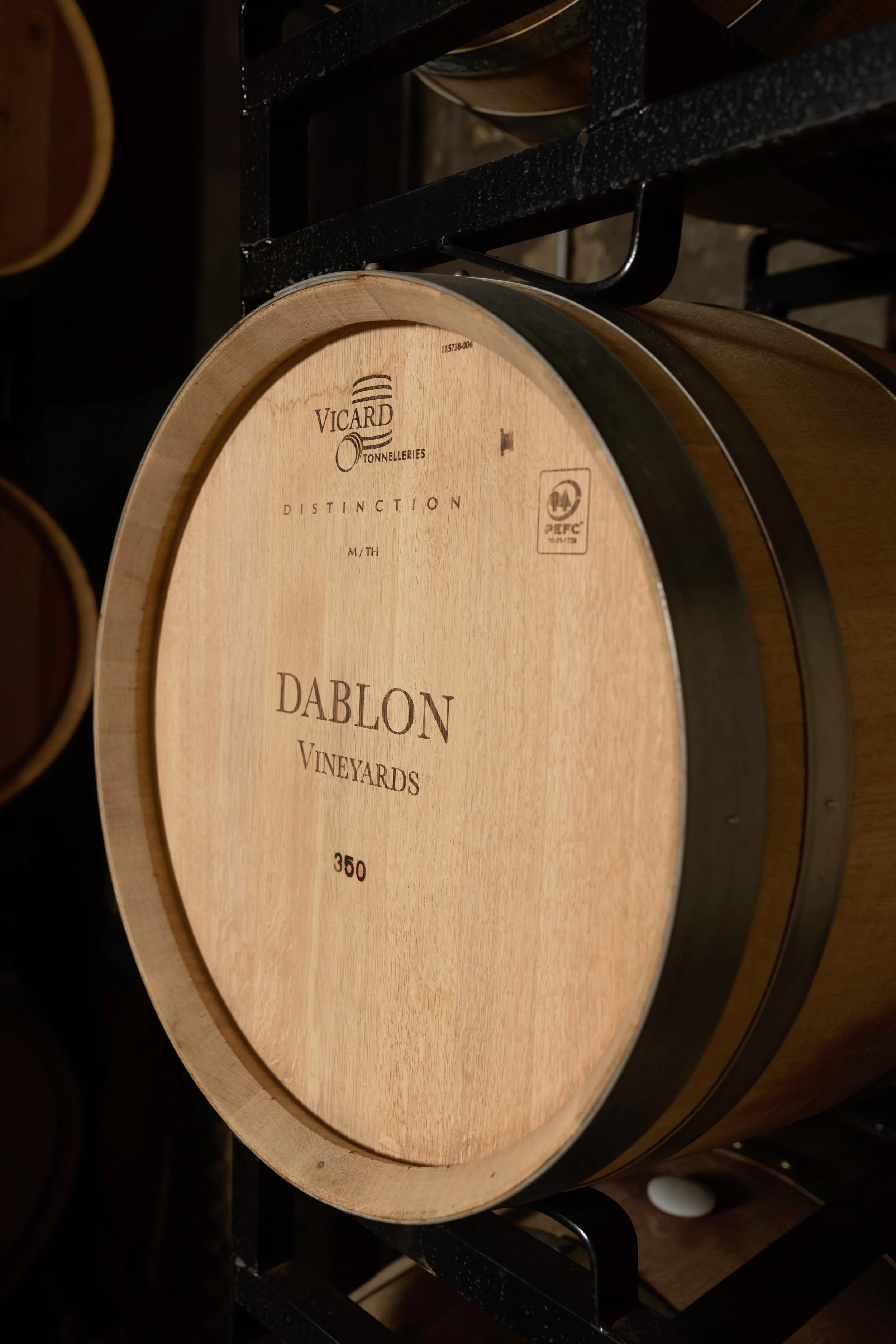
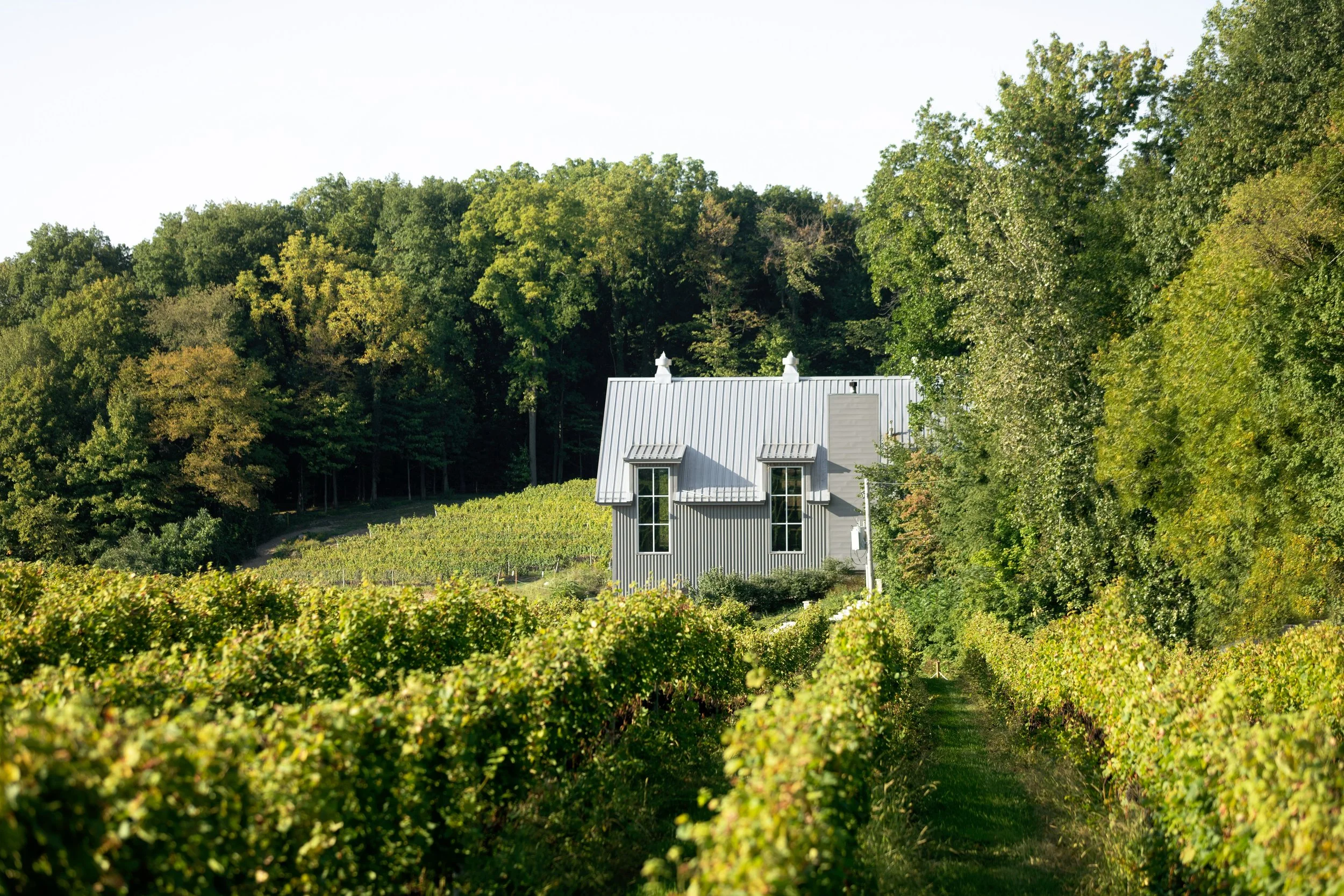
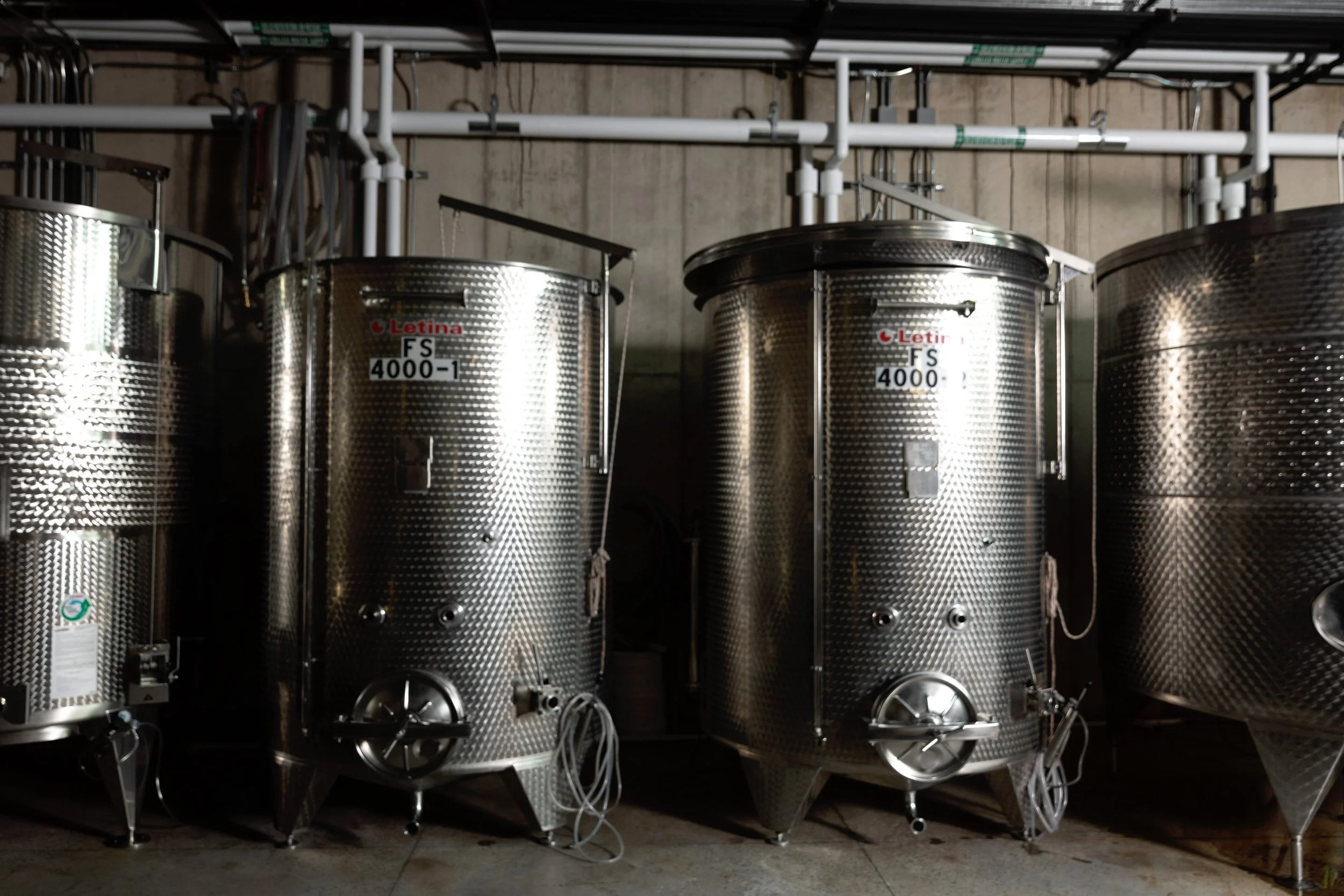
Cue the panic.
Cue the anxiety.
Cue the three-hour drive back and slowly scanning dirt paths like I was searching for buried treasure.
Did we find it? Yes.
Did that experience probably shave six months off my life? Also yes.
The job was delivered. The client was happy. But I learned a hard lesson about systems that day. Redundancy. Backups. Respecting the tiny plastic rectangle that holds someone else’s investment in you.
Nineteen years is full of moments like that — mistakes, small wins, lessons learned under pressure. But when I look at it now, I realize most of the things I dreamed about building in this career have actually happened.
And when you reach that point, there’s a strange question that starts to form.
What’s next?
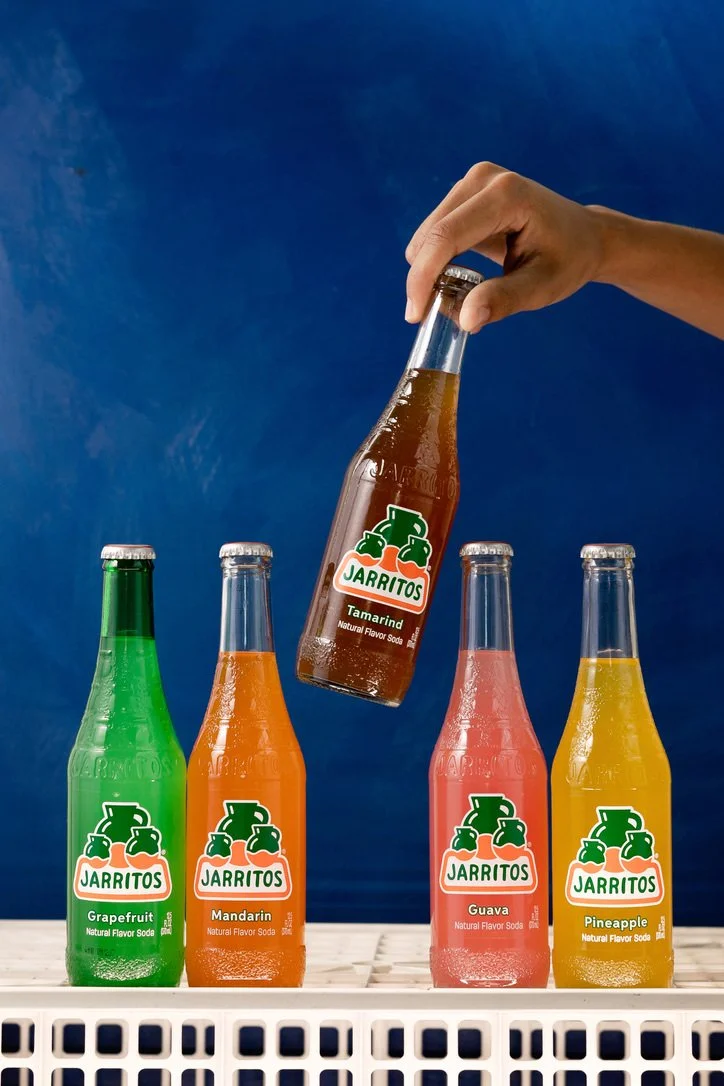
It is also a way I connect with my family! My kids often participate in sessions as a helping hand — this is Ayden — both literally and figuratively — hand modeling on a shoot for Bodega San Marcos (locally run and operated) wholesaler for Mexican cuisine here in Grand Rapids!
Photography isn’t going anywhere. There’s easily another decade in it for me, maybe more. I still love the work deeply. I love meeting an assignment with precision. I love the relationships that form over years of photographing families and businesses. There’s something incredibly special about being trusted with people’s lives and stories.
But over time, something else began to reveal itself inside the work.
One of the things I’ve always prioritized as a photographer is making people comfortable. Not just posing them well or lighting them well — but making them feel safe in front of the camera. Because when someone feels comfortable, everything changes. Their body relaxes. Their expression becomes real. The image becomes honest instead of performative.
And over the years, people would say things to me that stuck:
“I normally hate having my picture taken, but that felt easy.”
“I don’t usually feel comfortable doing this.”
“You’re so good with my kids! You made us feel like we could relax.”
For a long time I thought that was just part of being good at my job. I mean, it is; but there’s good reason. I’ve spent more time understanding neurodivergence — particularly autism and ADHD — I’ve started to realize something else might be happening.
I connect very naturally with people who live in the neurodivergent world.
There’s a kinship there. And, it makes sense. At a baseline, a population of the public feel simply misunderstood. To feel seen, by another who knows the unspoken struggles of your existence, is connection at an instinctual level.
For most of my life I didn’t know my own diagnosis. I just knew that certain parts of navigating the world felt harder than they seemed to be for others. Social dynamics could be confusing or exhausting. I’ve always felt things very deeply. And my sense of moral justice — that internal compass that says what is right and what is wrong — is incredibly strong. That can make relationships complicated sometimes when the world doesn’t operate with the same rules you feel inside.
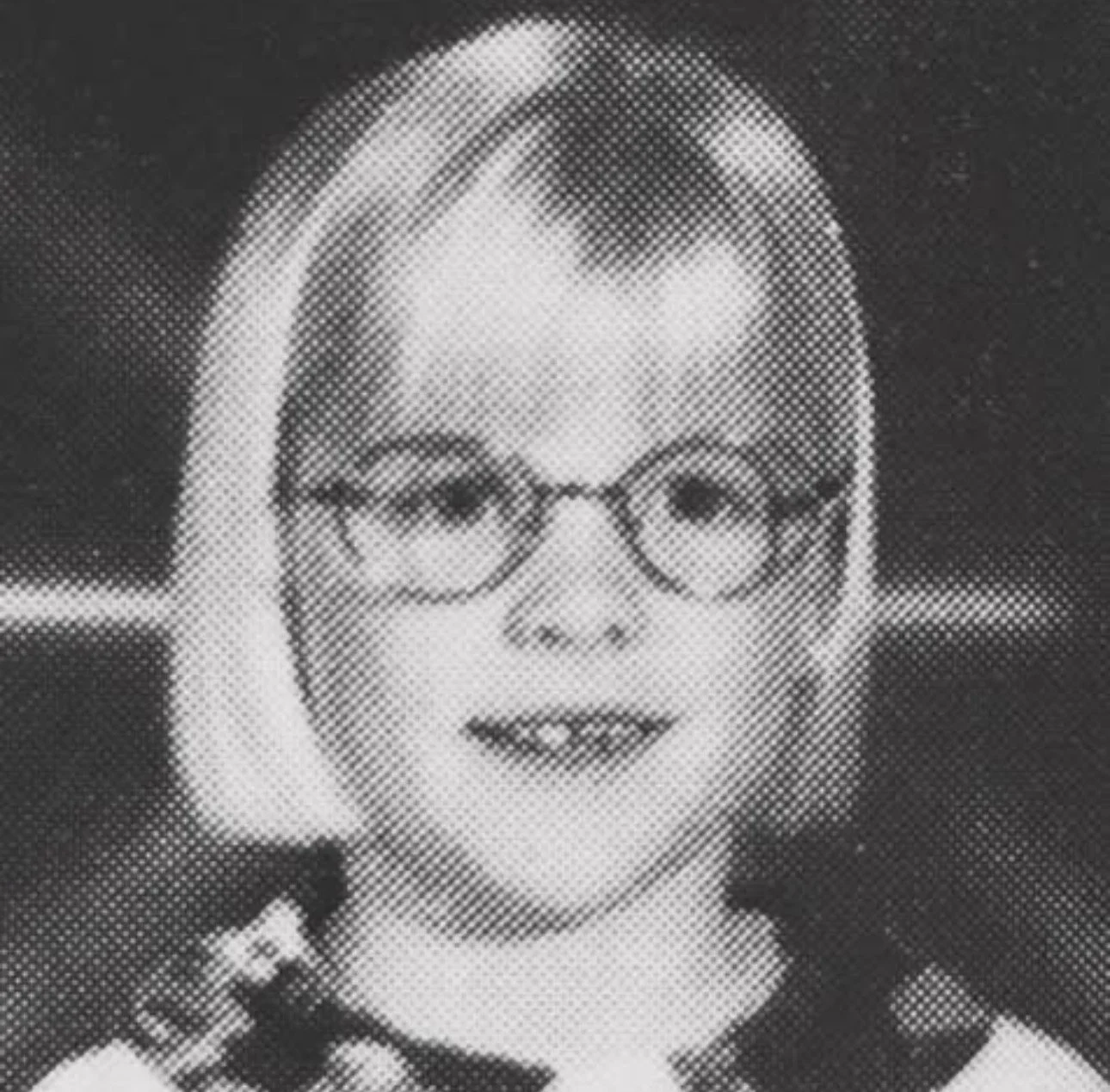
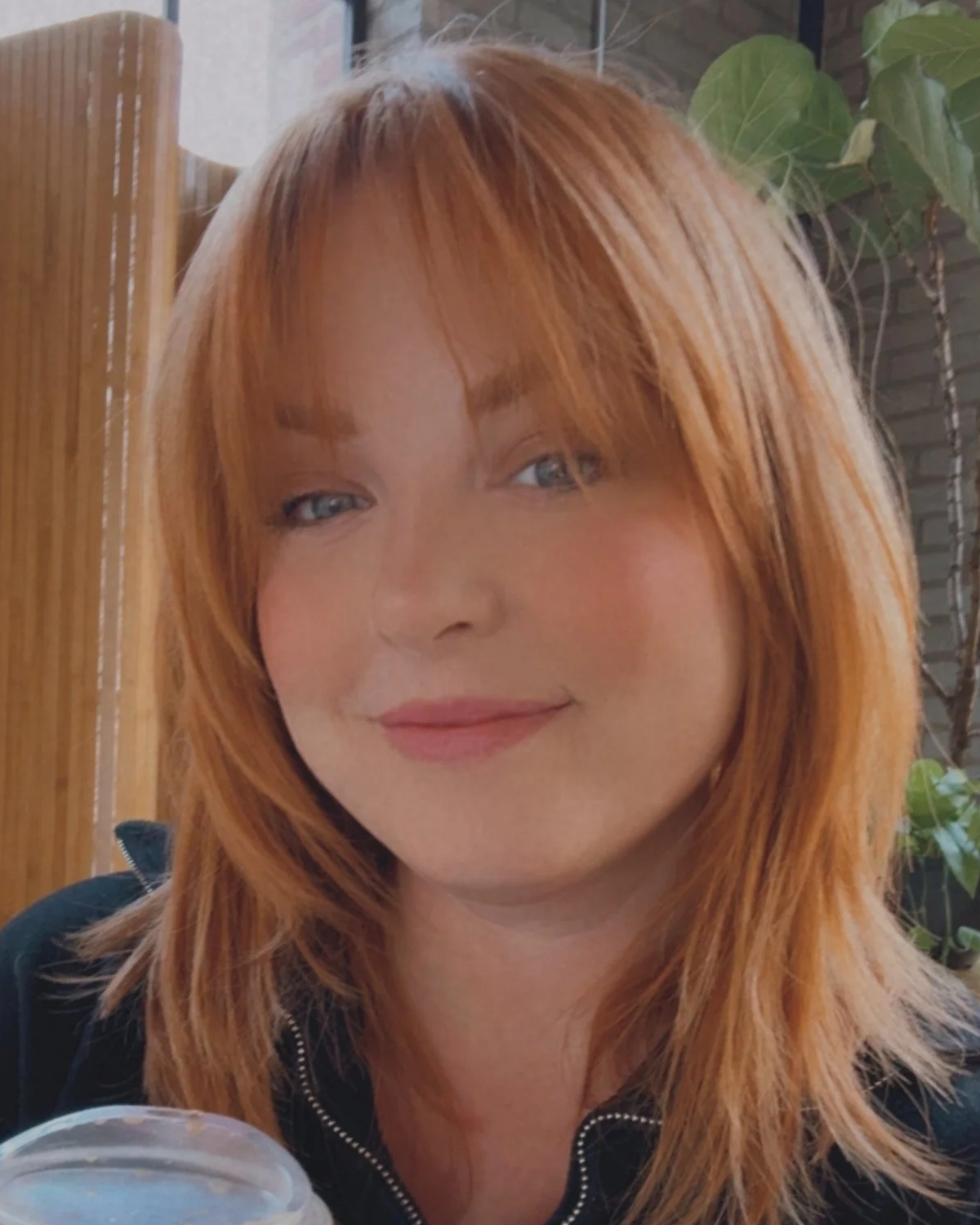
I mean - we’re still rocking the bangs!
There were plenty of moments growing up and even into adulthood where I misunderstood people, or people misunderstood me.
And, that’s ok, because I found out who I am. The flip side of that experience gave me something incredibly valuable: an ability to notice things quickly. I can feel discomfort in someone before they say anything, it’s radiating. In their shoulders. In their posture. In the way they hesitate before smiling.
And that awareness has shaped the way I photograph people.
It also started opening the door to something new.
Over the past year, I’ve begun exploring training in neurodivergent coaching. I’m currently pursuing education through two programs — one through iPEC, an internationally recognized coaching certification program, and then through ADDA consecutively after, which focuses specifically on ADHD and neurodivergent coaching. Between the two, it represents about a year of learning, with the intention of slowly building something over the next five years.
What exactly that becomes is still unfolding.
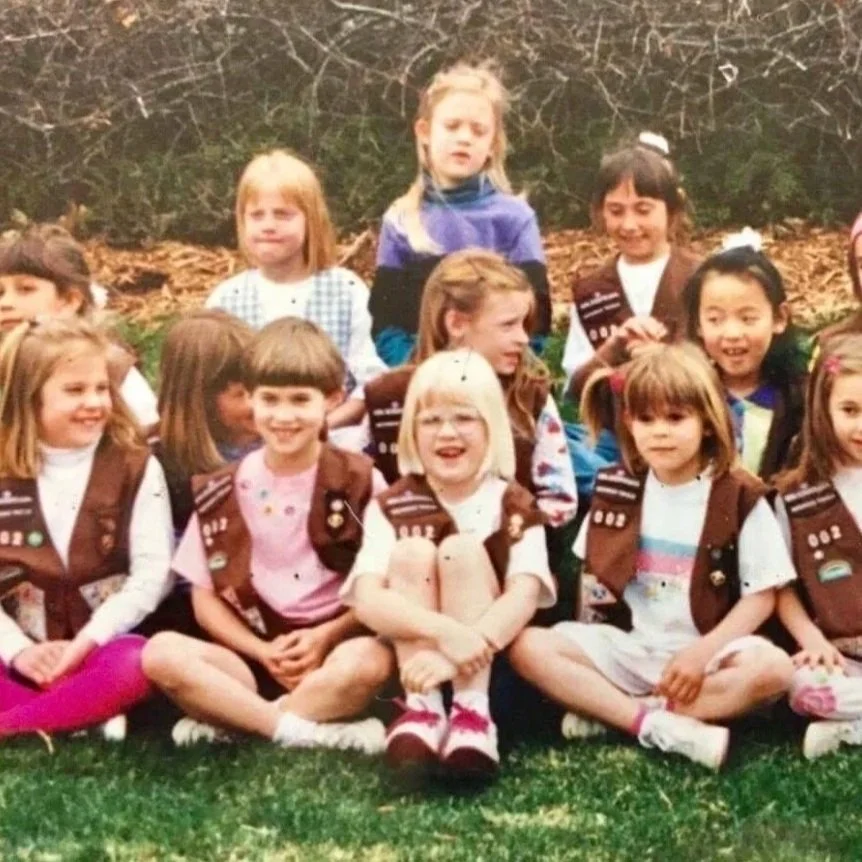
Lots and lots of bangs. I still do love a good thrifted merit patch! We put them on all our clothes at home.
It might involve helping creative entrepreneurs build businesses that work with their brains instead of constantly fighting against them. It might involve helping individuals map out life systems that support executive function, emotional regulation, and clarity. It might simply involve creating space for people to talk through challenges with someone who understands the neurodivergent experience from the inside. And with my bachelors in Fine Arts, it might be a path to Art Therapy with a focus on growth in the neurodivergent capacities. It’s a becoming, of something I’m excited for.
Right now, I don’t know exactly how photography and coaching will intersect. I just know that something meaningful lives at the intersection of the two.
Photography has always been about helping people feel comfortable enough to be themselves in front of a lens. Coaching, I hope to create, is about helping people feel comfortable enough to be themselves in their own lives.
Maybe those things aren’t so different after all.
When I was a kid staring through a viewfinder, I thought the magic was in capturing a moment. But what I’ve learned after nineteen years is that the real magic is in noticing people — really noticing them — and giving them the space to exist exactly as they are.
If the first nineteen years of my career were about learning how to see, maybe the next chapter is about helping other people see themselves a little more clearly too.
Looking forward to another season, to 2026, and another season of seeing you all!
